Hotel Gebeily

Aley

advanced divider

Glory Days

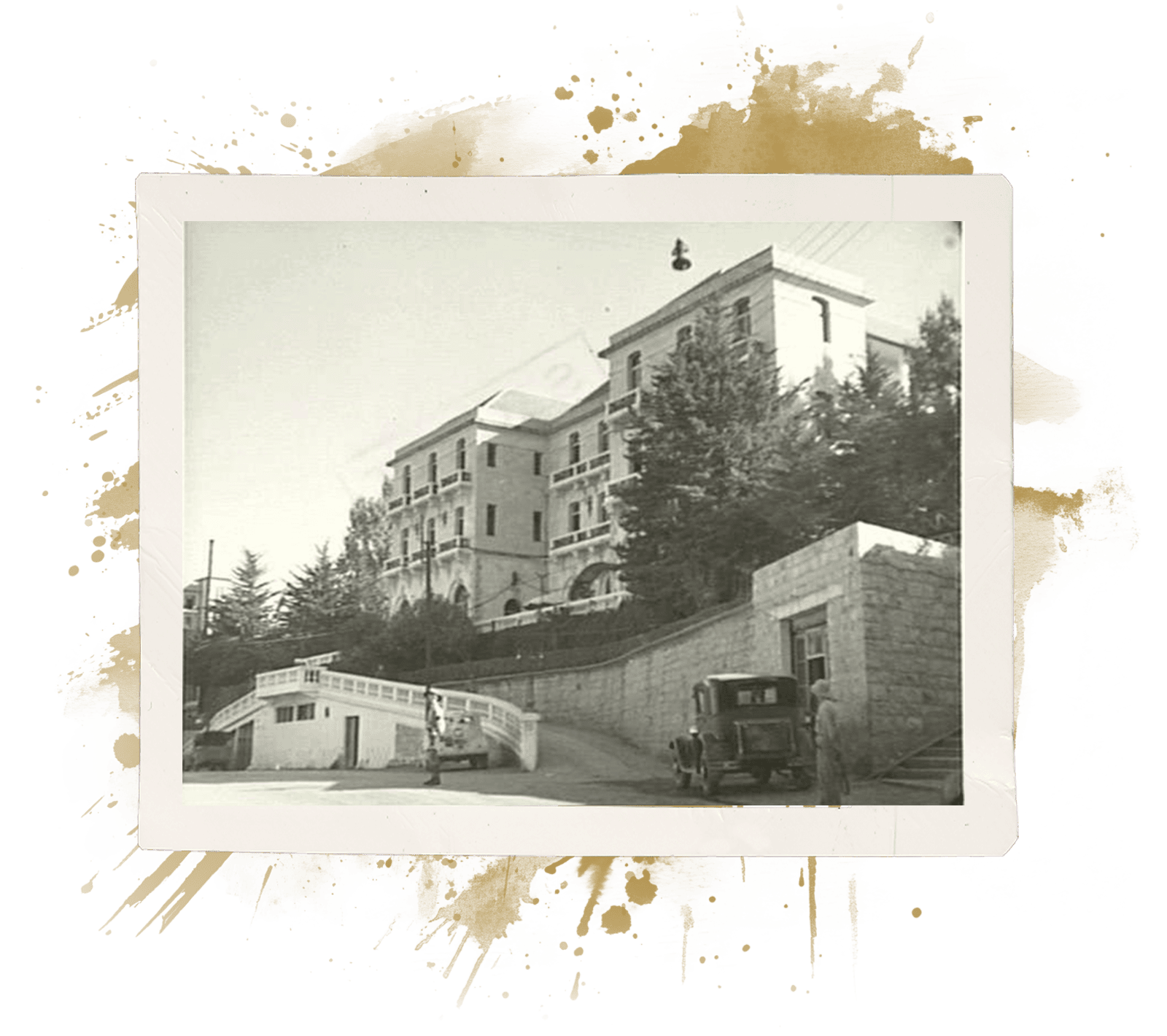
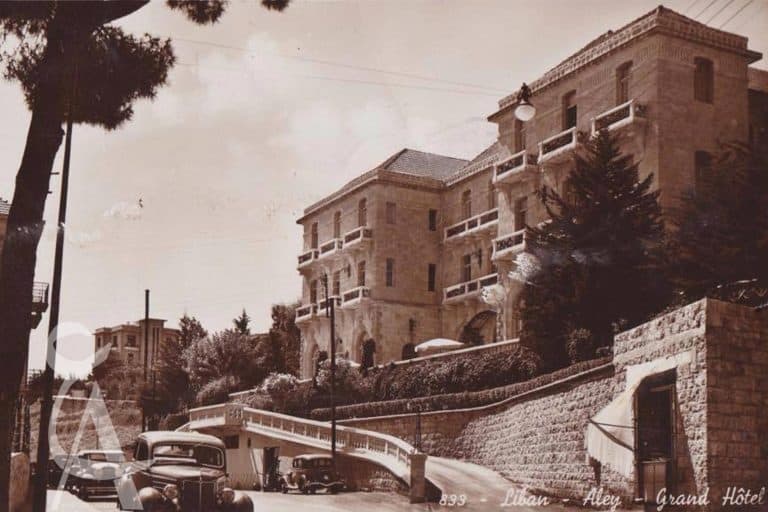
The Grand Hotel Gebeily was Aley’s first luxury hotel.
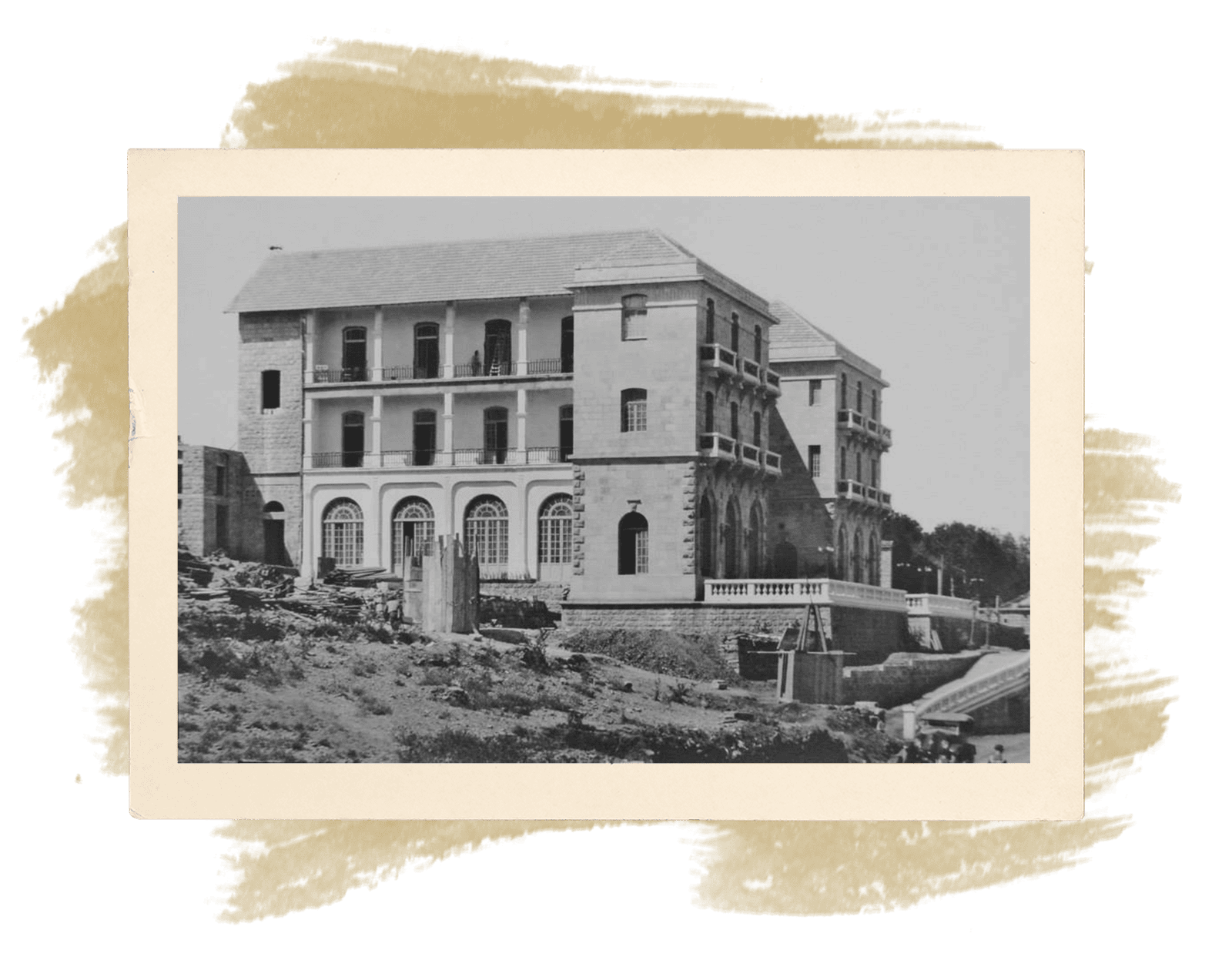
Built in 1926 by three brothers from a wealthy Beiruti trading family, the hotel was designed by the accomplished Italian architect Bindo Manham, who also designed the plans for the Maghen Avraham Synagogue of Beirut.

Mahmoud Hussein Talhouk, the first mayor of Aley, monitored the construction of the work for the Gebeily brothers, as though it was his own project.

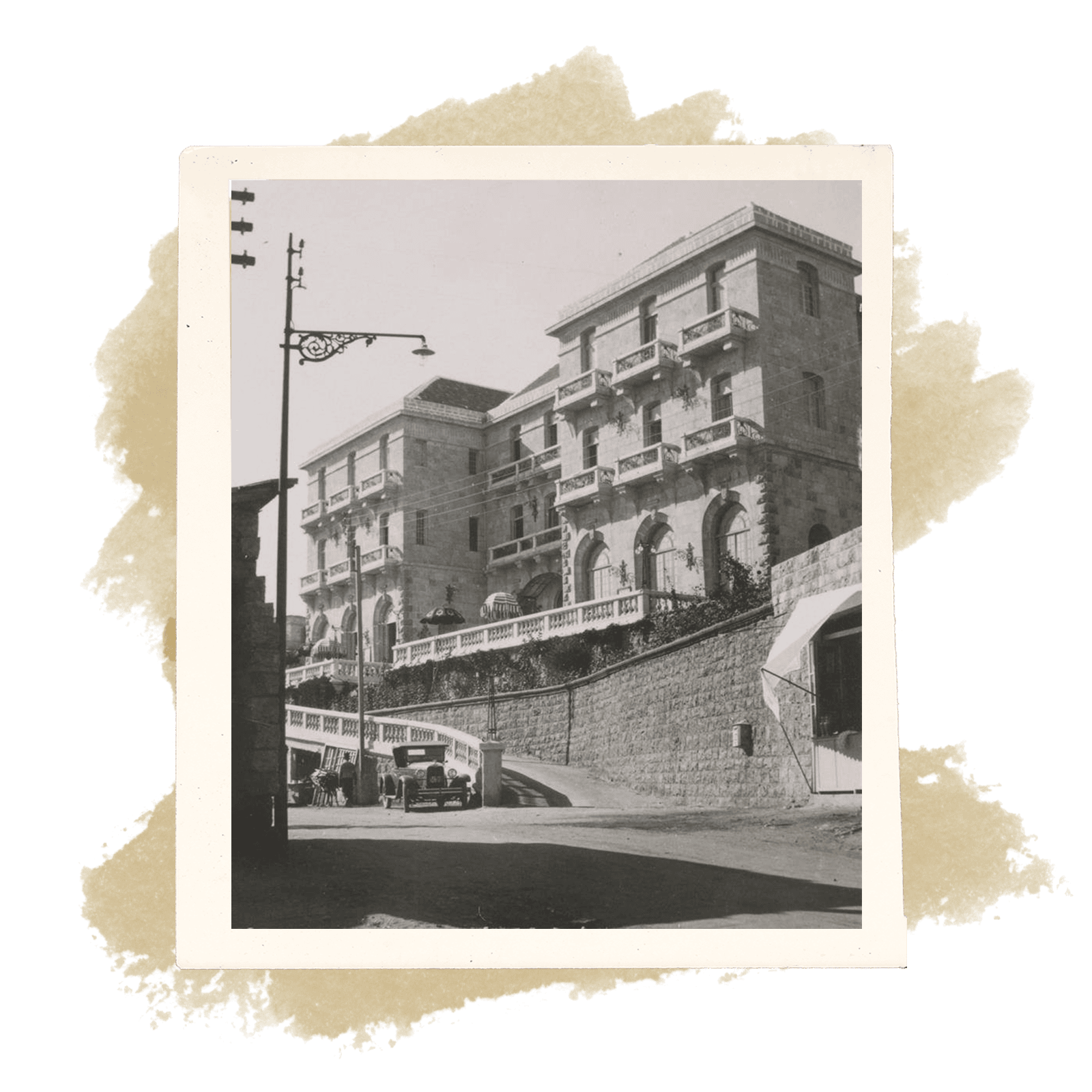
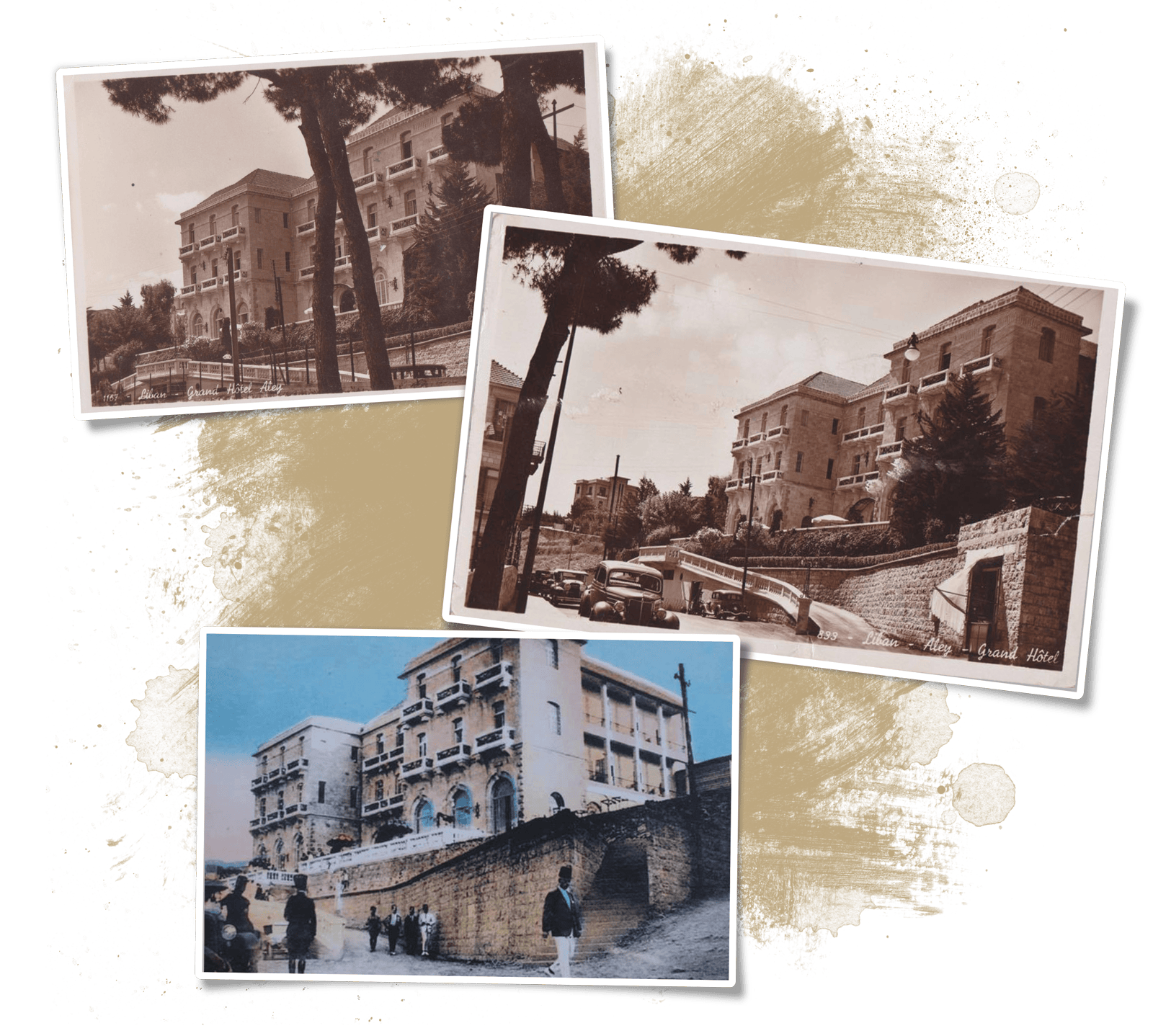
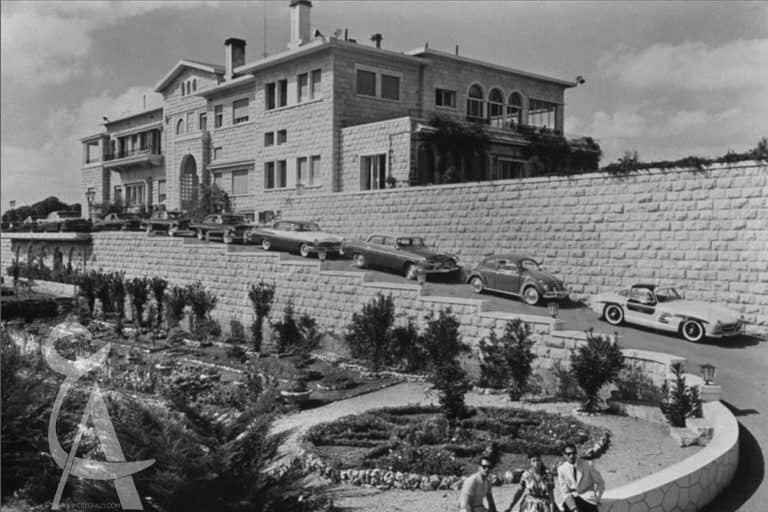
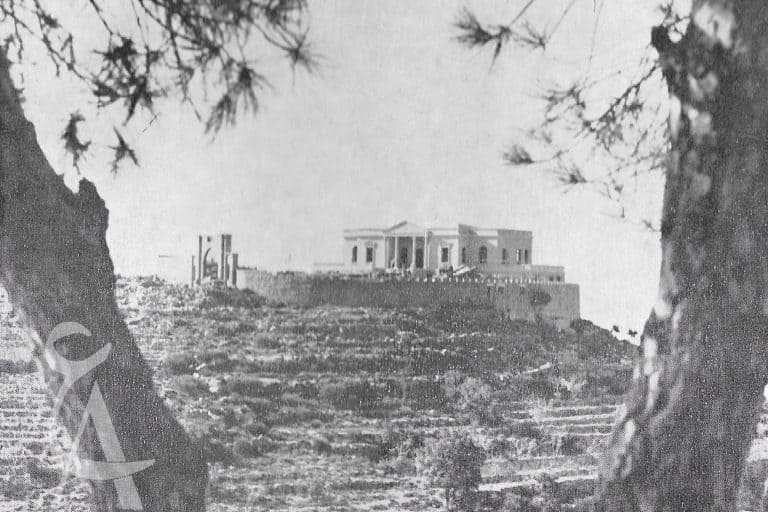
Sitting on a hilltop, with then-unobstructed views of Beirut and the surrounding mountains, the Hotel’s reputation for luxury and elegance quickly spread, not just in Lebanon, but Europe and the Arab world, attracting wealthy Beirutis and foreign dignitaries. The train made the trip to Aley a pleasant journey for summer vacations.

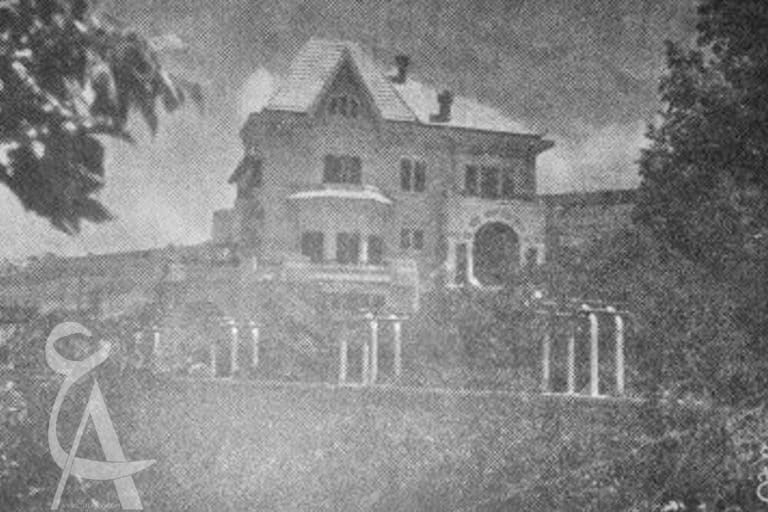
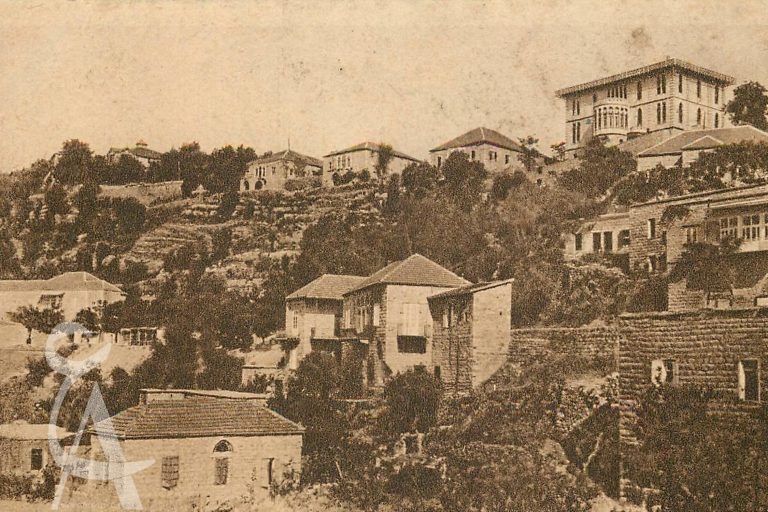
GEBEILY HOTEL UNDER CONSTRUCTION - ALEY 1920s
HOTEL GEBEILY - ALEY 1929
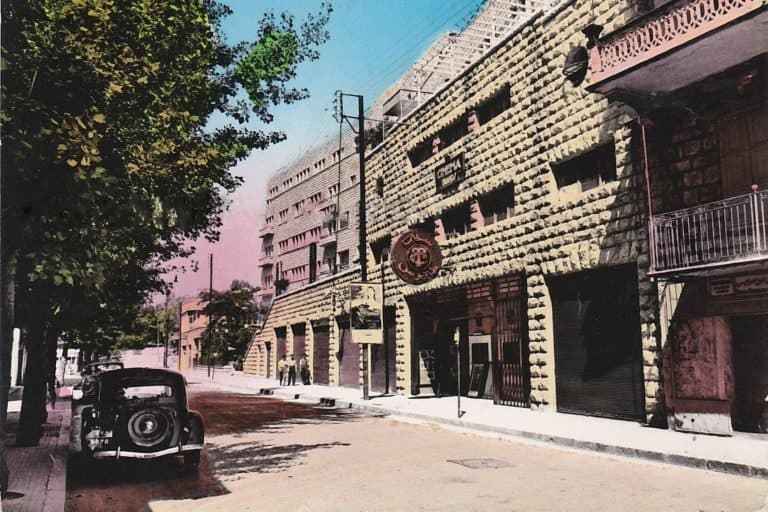
HOTEL GEBEILY - ALEY 1930s
advanced divider

Diwan Zaman

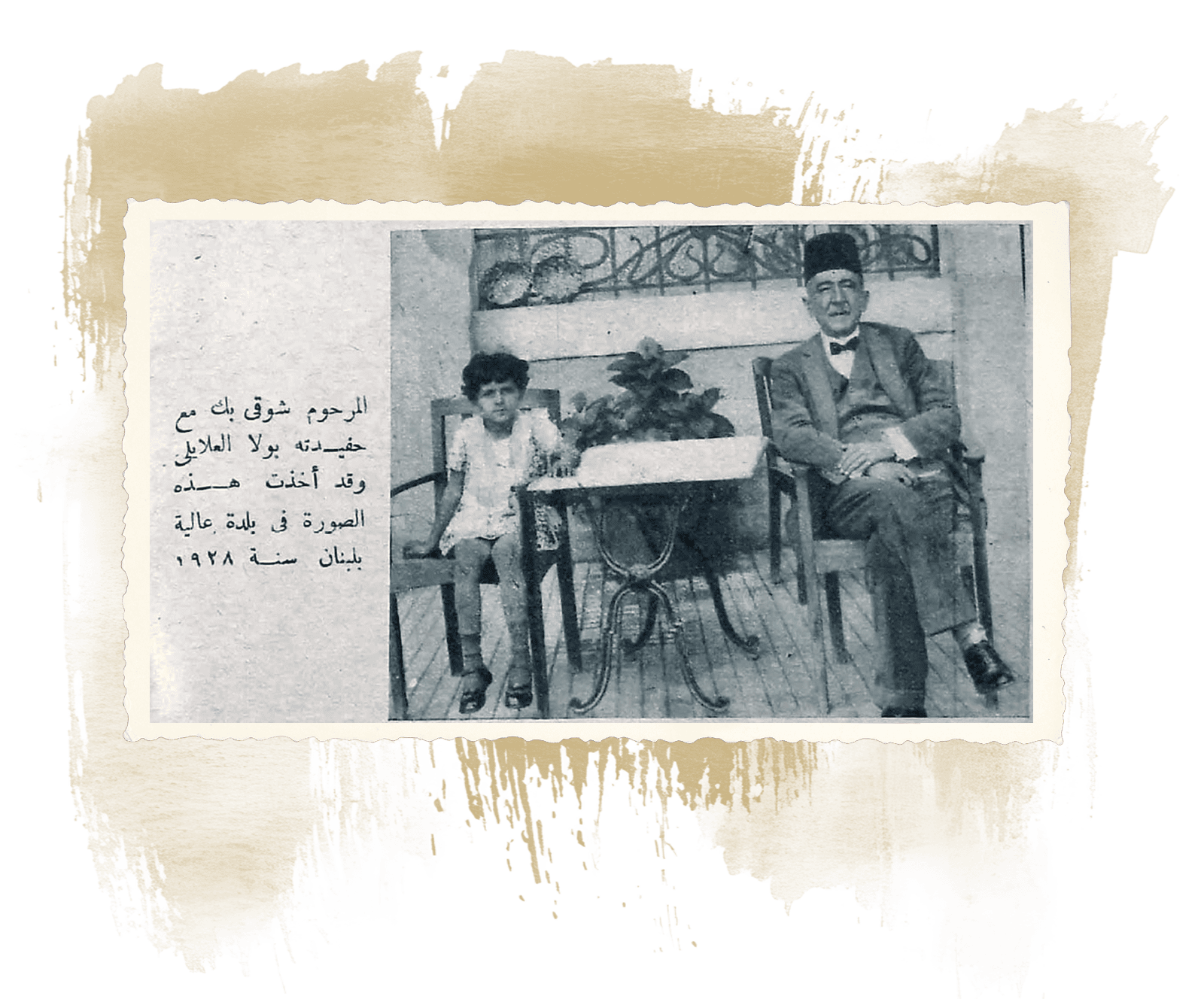
From the late 1920s, two of the Arab world’s literary giants – Lebanon’s Bechara Abdullah Khoury (The Charming Poet – Al Akhtal al Saghir) (1885-1968) and Egypt’s “Prince of Poets” Ahmed Shawqi (1870-1932) – savoured many summers together in the magnificent Gebeily Hotel, often enjoying a private “diwan” with a close circle of their literary cohorts.

AHMED SHAWQI WITH HIS GRAND-DAUGHTER PAULA AL-ALAYLI - HOTEL GEBEILY - ALEY 1928
advanced divider

Tears of Love

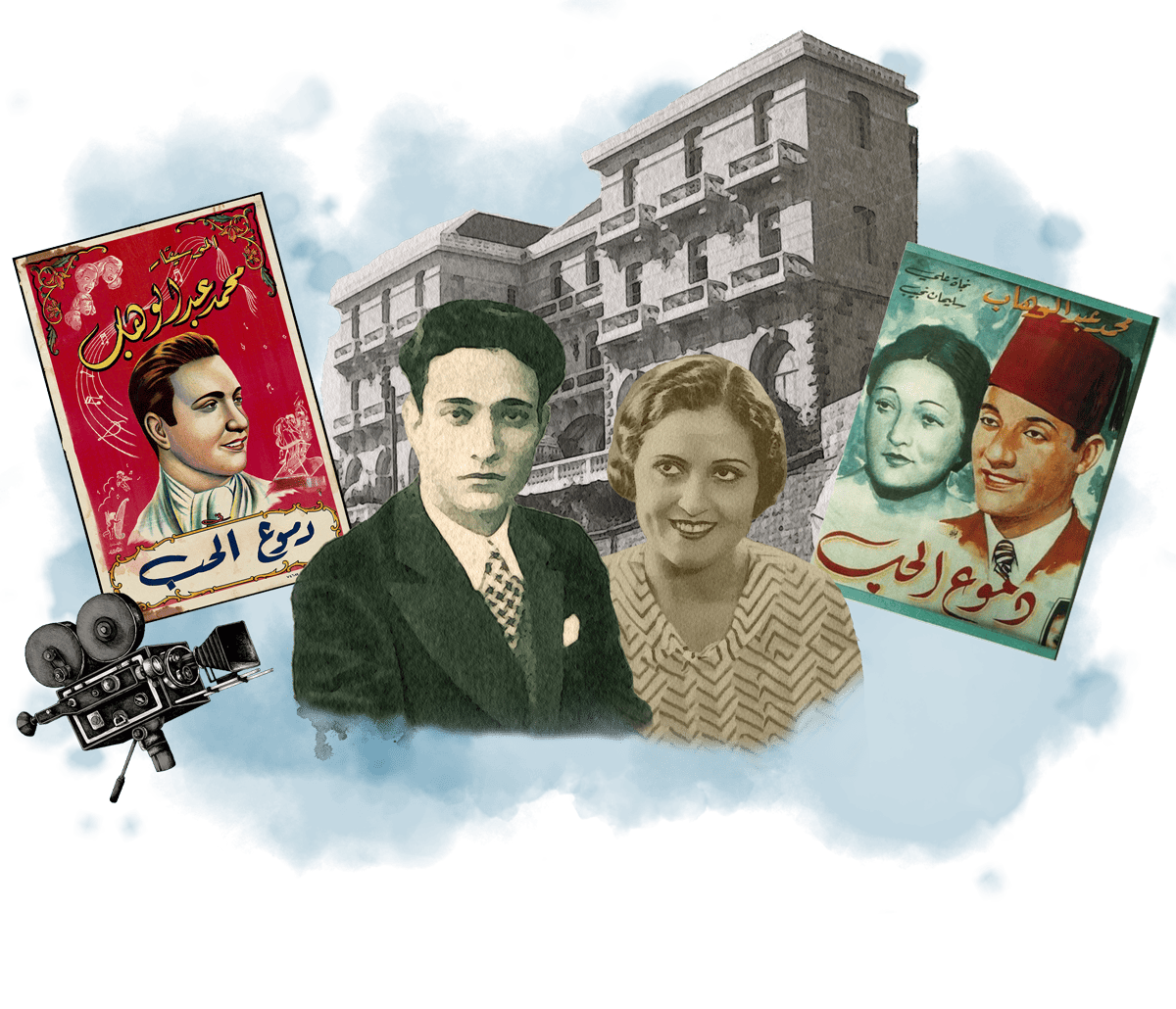
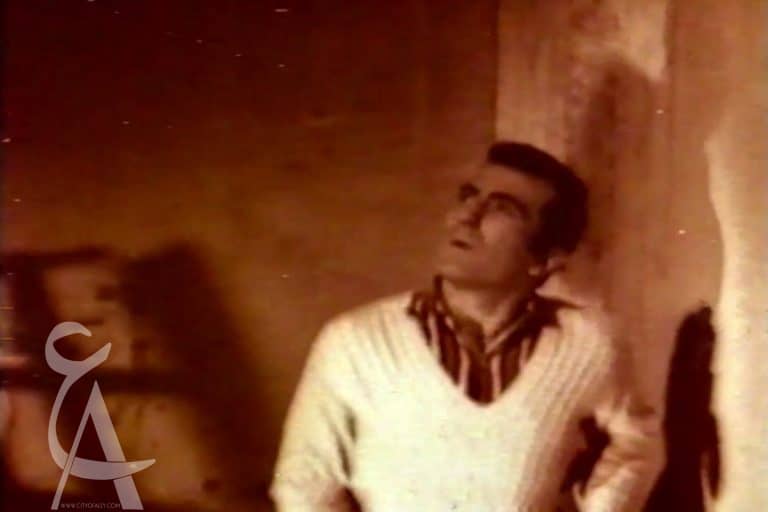
In 1935-1936, the acclaimed Egyptian actor, singer and composer Mohammed Abdul Wahab (1897-1991) honoured Hotel Gebeily as the location for the filming of scenes in his second movie, Damour el Hob (Tears of Love).

In this movie, which also starred the Egyptian actress, Nagat Ali (1919-1993), the splendour of the majestic Hotel Gebeily came to life on the silver screen … the Hotel was known and admired, from near and afar.

This movie showcased Aley, in all its grace and glory, to the Orient and beyond.

MOHAMMED ABDUL WAHAB & NAJAT ALI - DAMOUR EL HOB (TEARS OF LOVE) - HOTEL GEBEILY - ALEY 1935
advanced divider

Australia in Aley

But the Grand Hotel Gebeily’s glory days were short-lived.
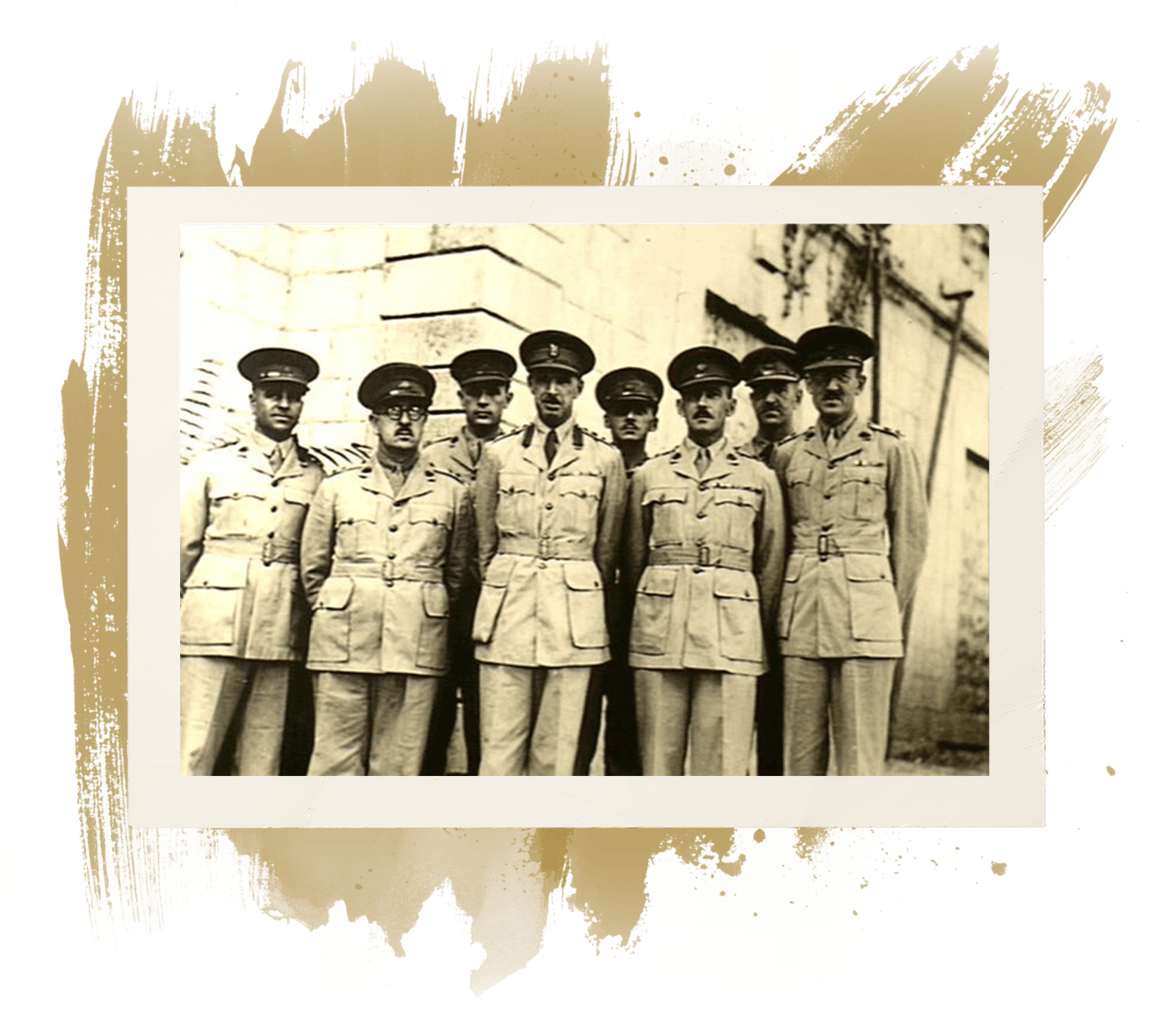
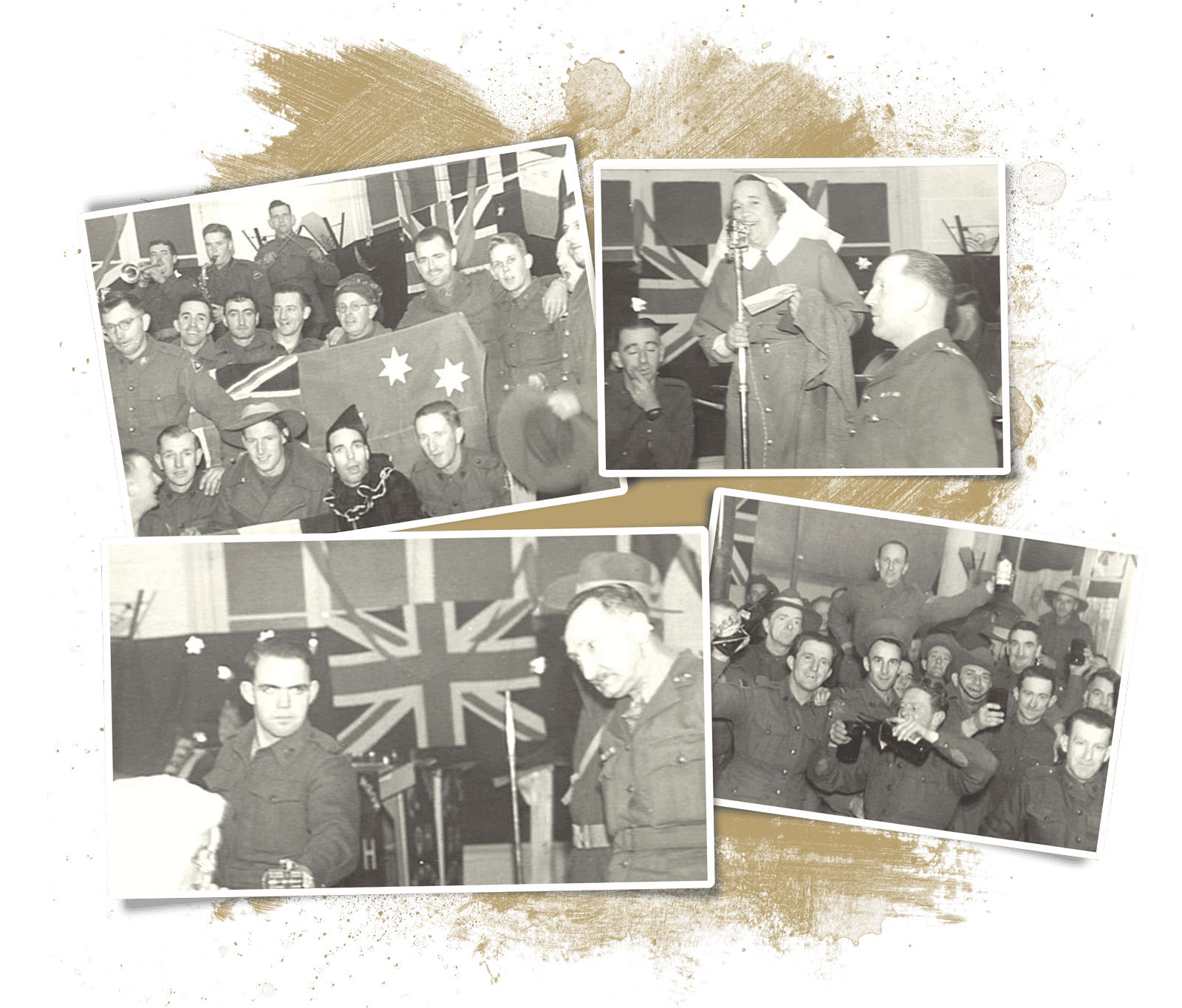
In the 1940s, at the start of the second world war, the British army requisitioned the hotel as its headquarters, setting up a command and communication centre within the building. Later, when the allied forces – led by the Australian Imperial Forces (AIF) along with British and French troops – invaded Syria and Lebanon, the AIF general who headed the offensive used the hotel as his HQ. This strategic location played a pivotal role in the history of Lebanon’s independence.

Elderly residents of Aley remember the Australian army with both fondness and respect.

Unlike the German and Vichy troops, the AIF sought to liberate, not occupy or oppress. They fed the hungry, provided grains for sowing, treated the wounded and employed local workers with generous wages. 

In Aley, they are remembered and revered for their “nobility and humanity”.

(Photos below – courtesy Australian War Memorial)

AUSTRALIAN IMPERIAL FORCES GUARD THEIR HQ - HOTEL GEBEILY - ALEY 1941
AUSTRALIAN IMPERIAL FORCES OFFICERS - HOTEL GEBEILY - ALEY 1941
AUSTRALIAN CORPS CELEBRATE NEW YEAR'S EVE - HOTEL GEBEILY - ALEY 31 DECEMBER 1941
advanced divider

From Gebeily to Ghraizi

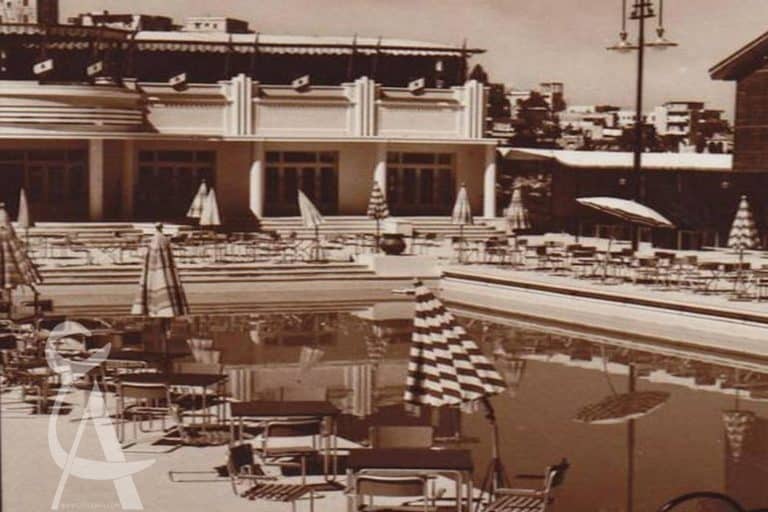
Following WW2, the Grand Hotel Gebeily enjoyed a revival, becoming renowned for its scintillating evening entertainment – singers, concerts, ballroom dancing, tea-parties, tennis, gambling … even the garden outside was at one stage enlarged to accommodate a pool with rowing boats.

It was the golden era – Grand Hotel Gebeily was the first venue to host the incomparable Egyptian artist Oum Kalthoum outside of her motherland. Farid al-Atrash and Abdel-Halim Hafez, among many famous names, performed at this illustrious location.

The restaurant served exquisite French cuisine, guests sipped champagne on the terrace, the hotel welcomed royalty and heads of state from around the world.

Once again, this success was short-lived.

Hotel Gebeily was forced to close down following the start of the Lebanese Civil War.

Ultimately, this took its toll and the Gebeilys sold the hotel. Repairs would have been too costly, it was no longer profitable to open continuously as in the past, and operating costs had become prohibitive. It is said that personal threats from militias forced the family to sell for a fraction of its worth.

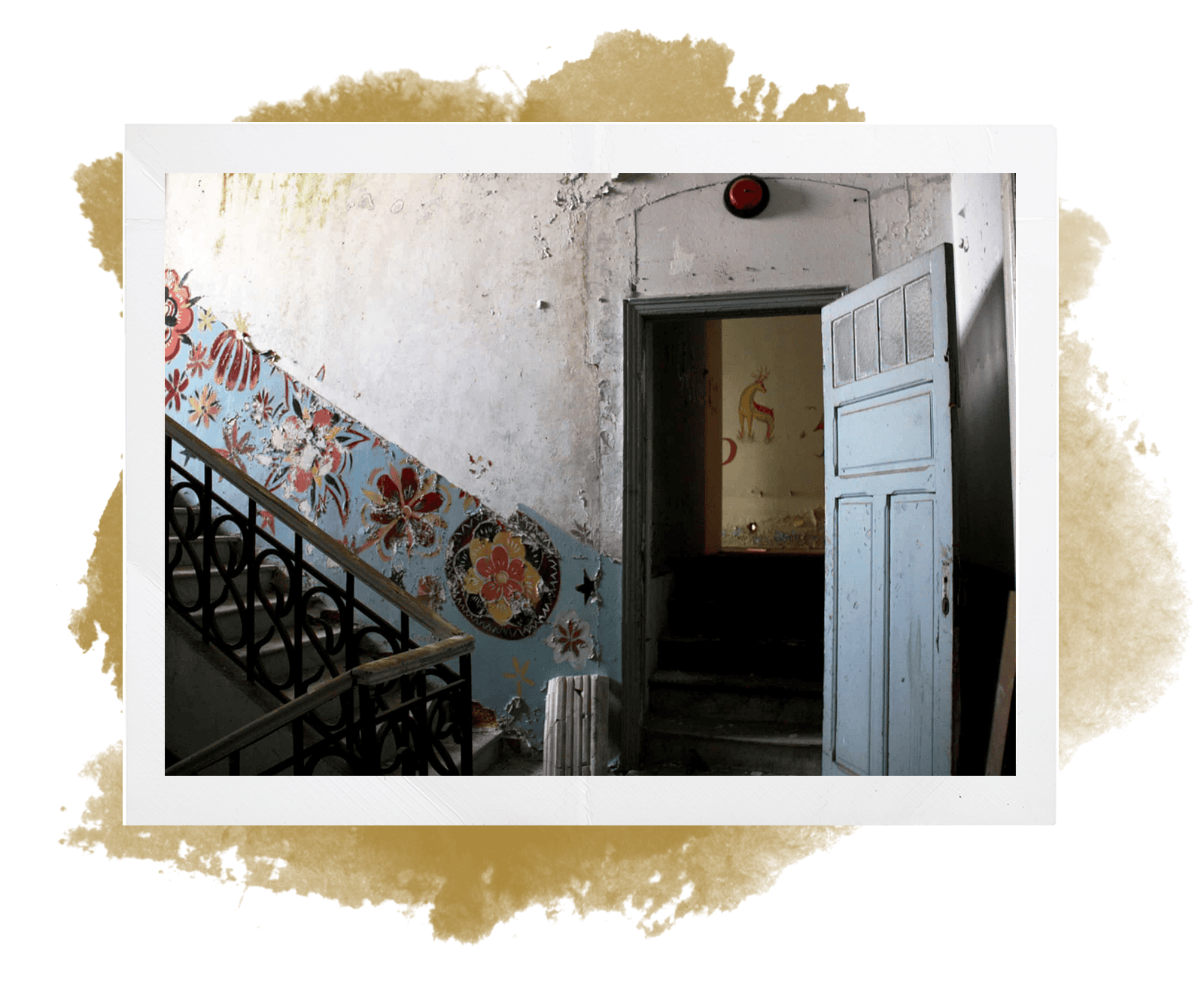
Aley’s Ghraizi family bought the historic property in 1977. Strangely, they repurposed the annex of the hotel as a school, remnants of which can still be seen on the site, with colorful walls painted with flowers.

The Ghraizis, too, however were plagued by financial woes and were unable to make loan repayments. The Grand Hotel Gebeily was then seized by the Central Bank, and left for sale under auction for several years.

The hotel was sold to Nadim Makarem in the summer of 2016. At the time, there were rumours that the Hotel Gebeily would be restored to its former glory and re-opened – that has yet to happen, but Aley is ever hopeful for the renaissance of its famous landmark.
advanced divider

Still Standing

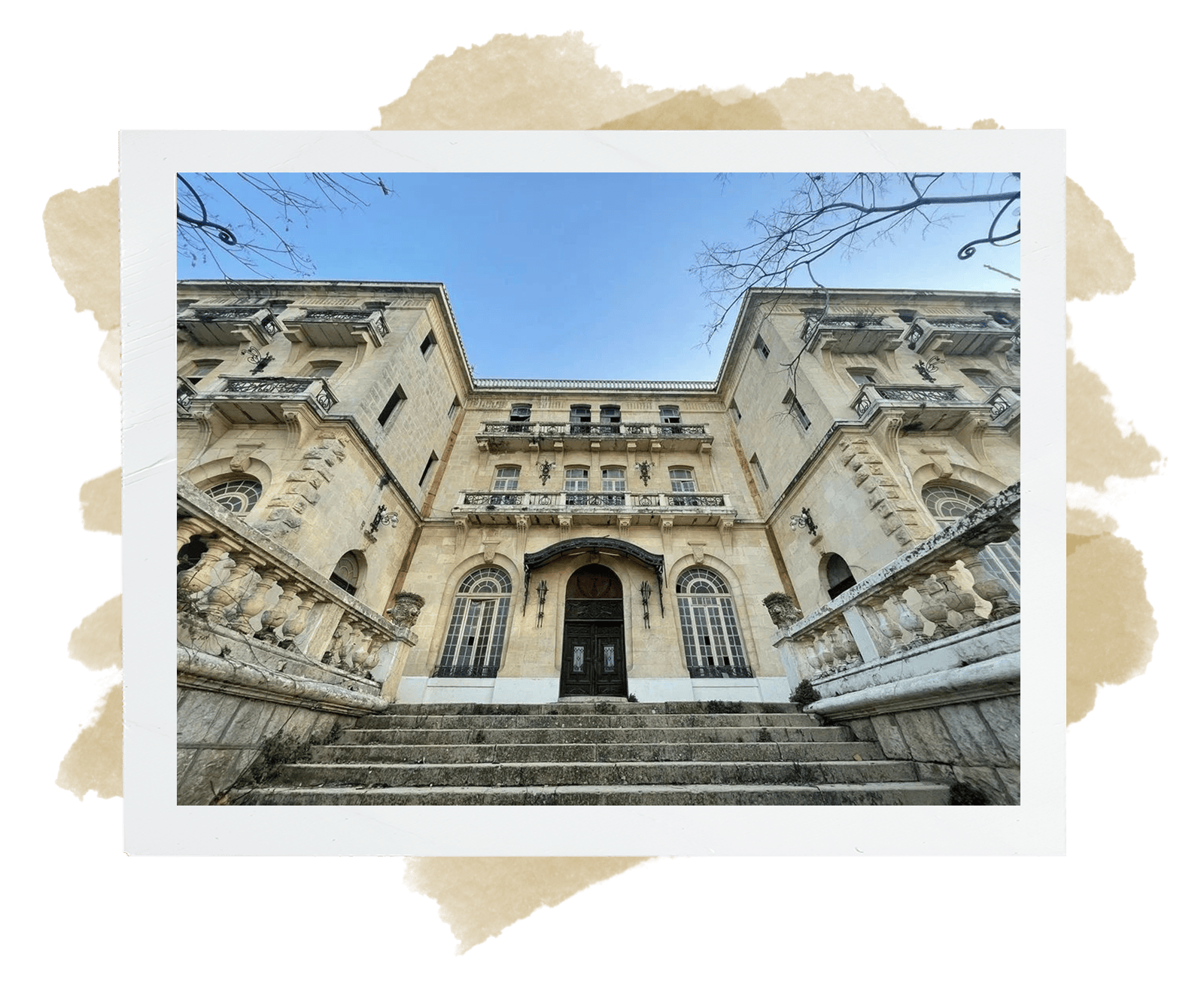
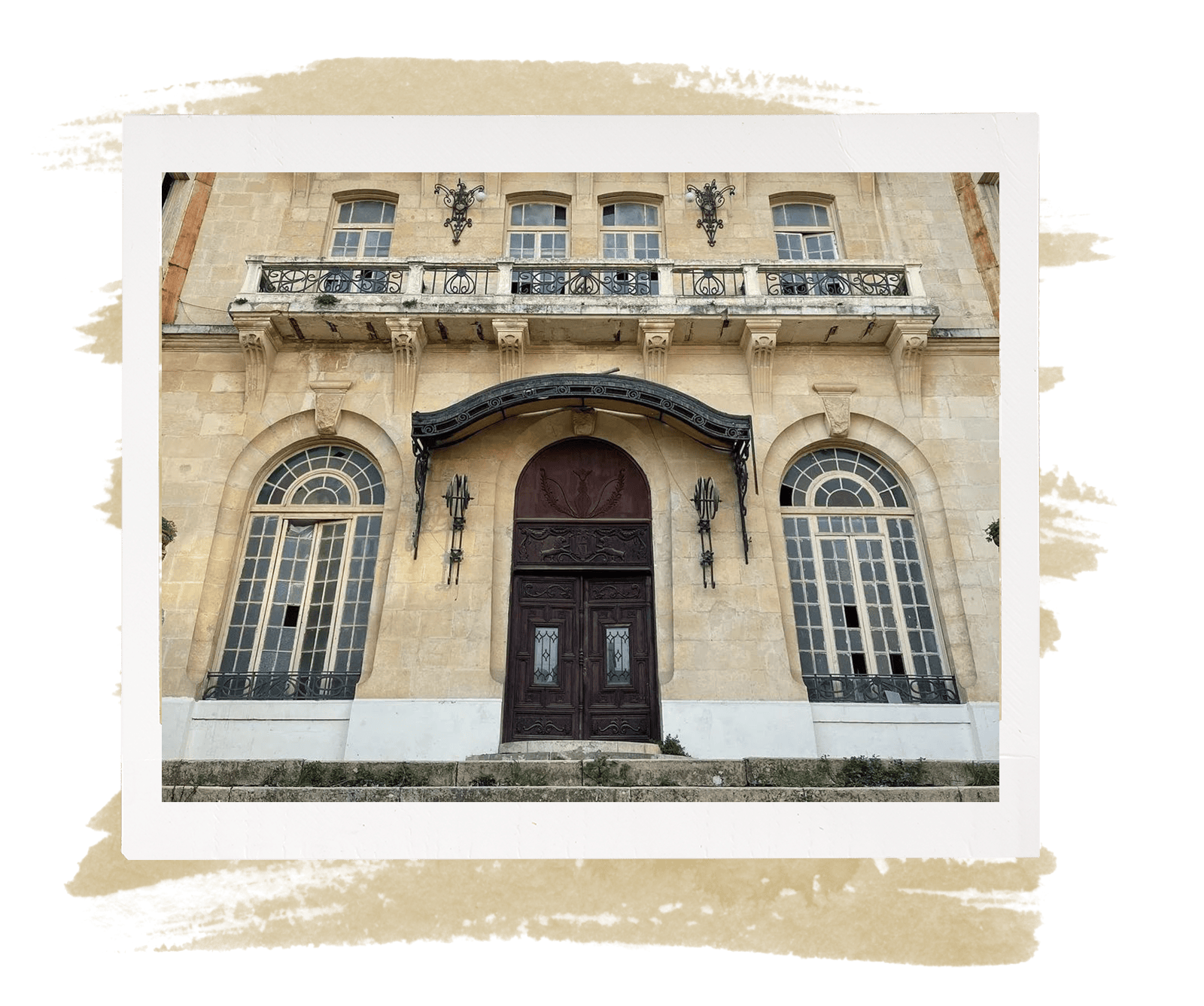
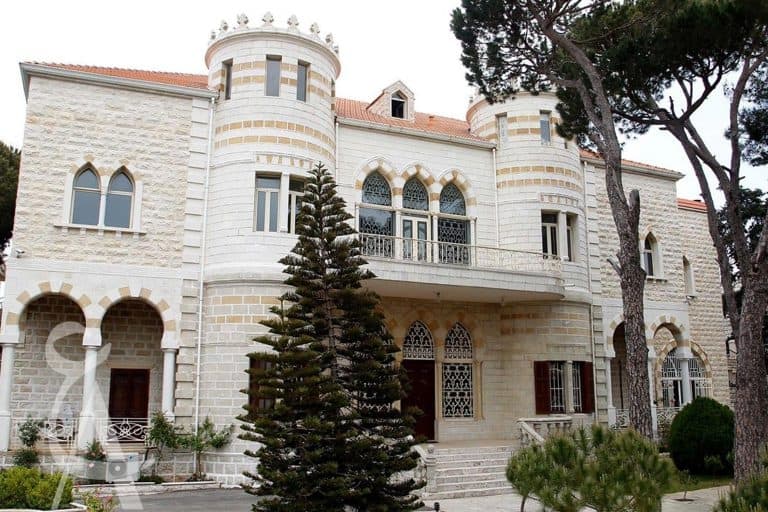
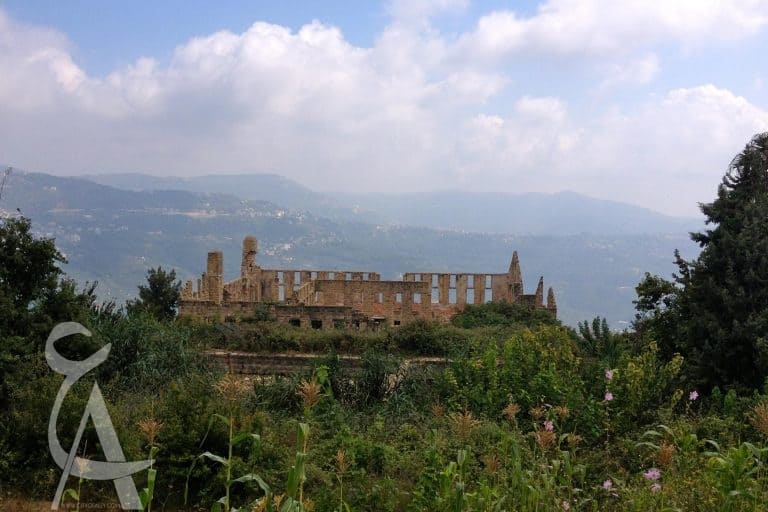
Today, the Grand Gebeily Hotel still stands, strong and proud, if somewhat battered – comprising a ground floor with the remains of a once-spectacular ballroom, and two upper stories for accommodation. A beautiful garden, now over-grown, surrounds the main entrance, with stairs leading up to magnificently carved wooden doors featuring the Hotel’s insignia.

Like so much of Aley’s historic architecture, the Grand Hotel Gebeily’s iconic casino, which was located next to the hotel, was demolished to make way for new residential buildings.

HOTEL GEBEILY - AN ARCHITECTURAL MASTERPIECE
HOTEL GEBEILY - ENTRANCE
advanced divider

From Decadence to Decay

In some respects, it is remarkable that the Grand Hotel Gebeily still stands, having remained relatively unharmed despite two wars. The hotel was “protected” by the Progressive Socialist Party throughout the civil war years and Syrian occupation, minimizing the damage and looting that many buildings were not so fortunate to escape.
The hotel’s strategic location may thus have contributed to its closure, as well as its preservation.

Beyond the broken windows and creaking doors, the interior of the Grand Gebeily Aley tells its own story.

The once-decadent, now-decaying foyer marks the entrance to a time capsule, preserving the memories of early 20th century Lebanon.

HOTEL GEBEILY - FOYER
advanced divider

Haunting Memento

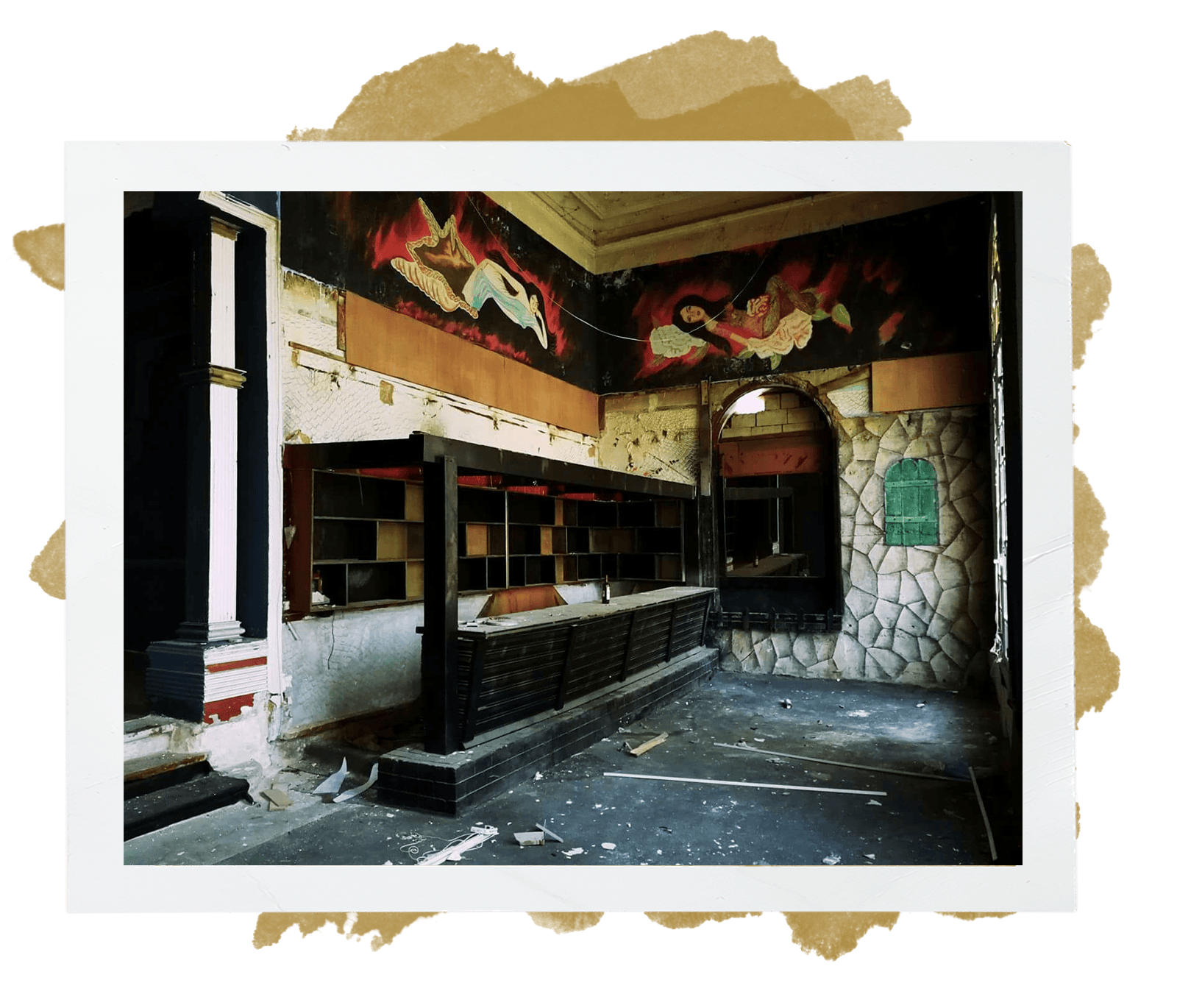
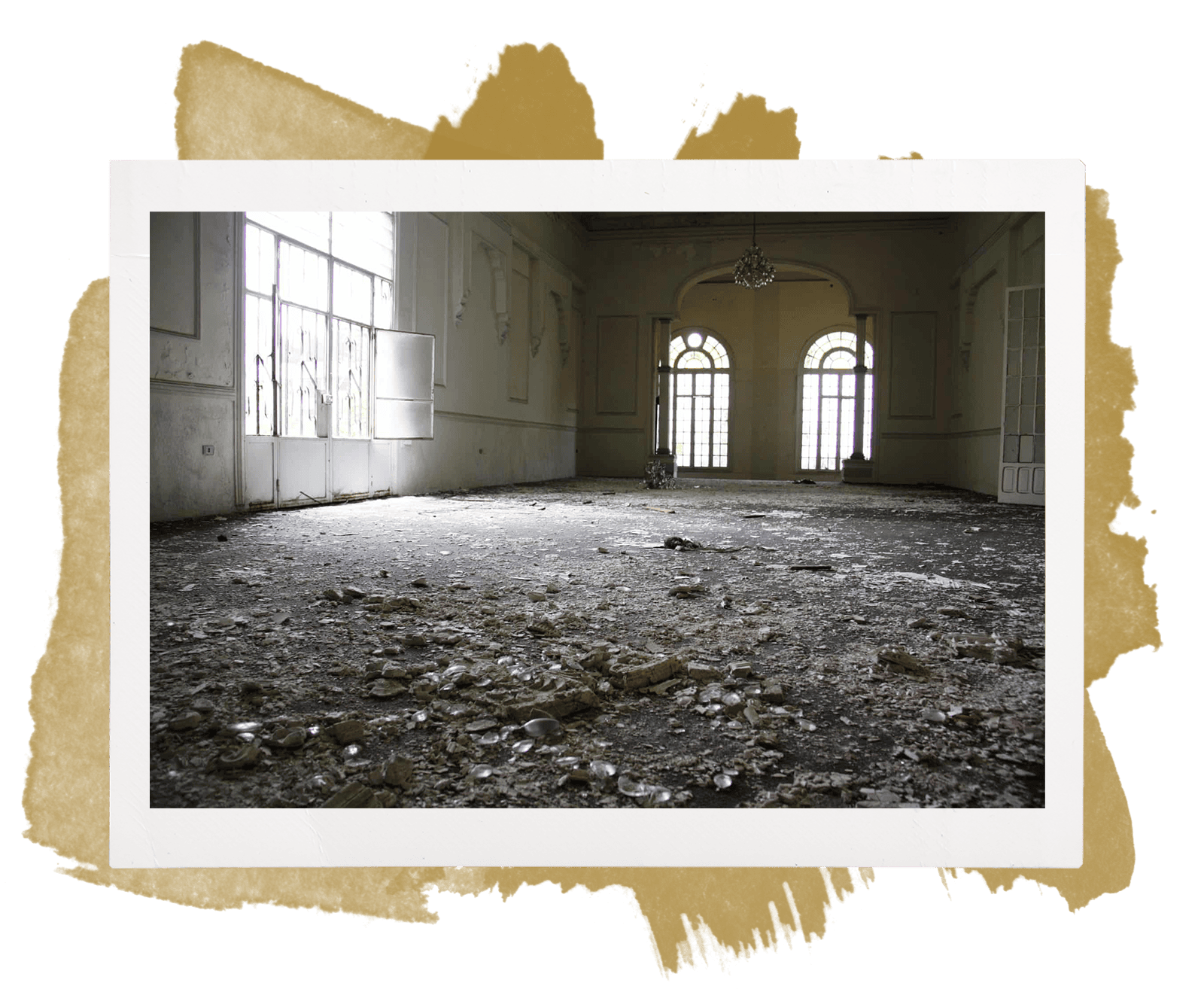
The bar is still in its place, though it has been a very long time between drinks. Chandeliers still hang with splendour from the high ceilings, above walls of peeling paint and floors covered in broken porcelain.

The ballroom, with its magnificent arched full-length windows, is ethereal, outer-worldly.

The vast ground-floor kitchens provide an indication of the magnitude of the entertainment that was catered for within. The effect is a haunting memento of a not-so-distant past.

HOTEL GEBEILY - BAR
HOTEL GEBEILY - BALLROOM
advanced divider

Gebeily Today

Hotel Gebeily stands strong, imposing and resilient, but deserted, its once expansive views now punctuated by a clutter of achromatic concrete … its silence and stillness occasionally broken by a TV crew filming episodes for its latest soap opera …

advanced divider
Picture of Heather Jean Stefan

Heather Jean Stefan

Founder • Editor • Archivist

Facebook
WhatsApp
Twitter
LinkedIn
Telegram
advanced divider
City of Aley

More Then & Now

advanced divider
City of Aley

Discover Aley

advanced divider
City of Aley

Business Directory

advanced divider
City of Aley

Events

advanced divider
en_GBEnglish (UK)