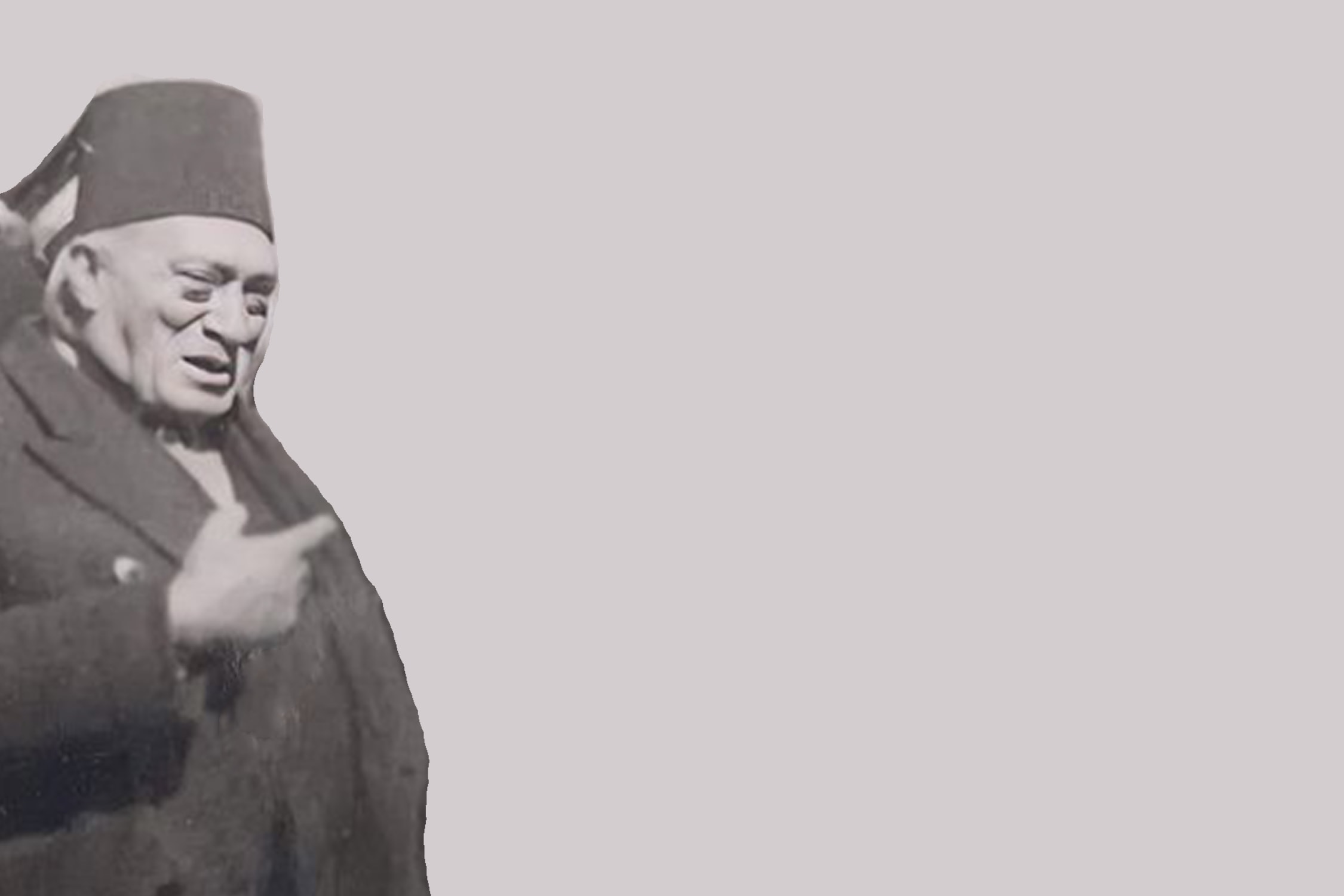
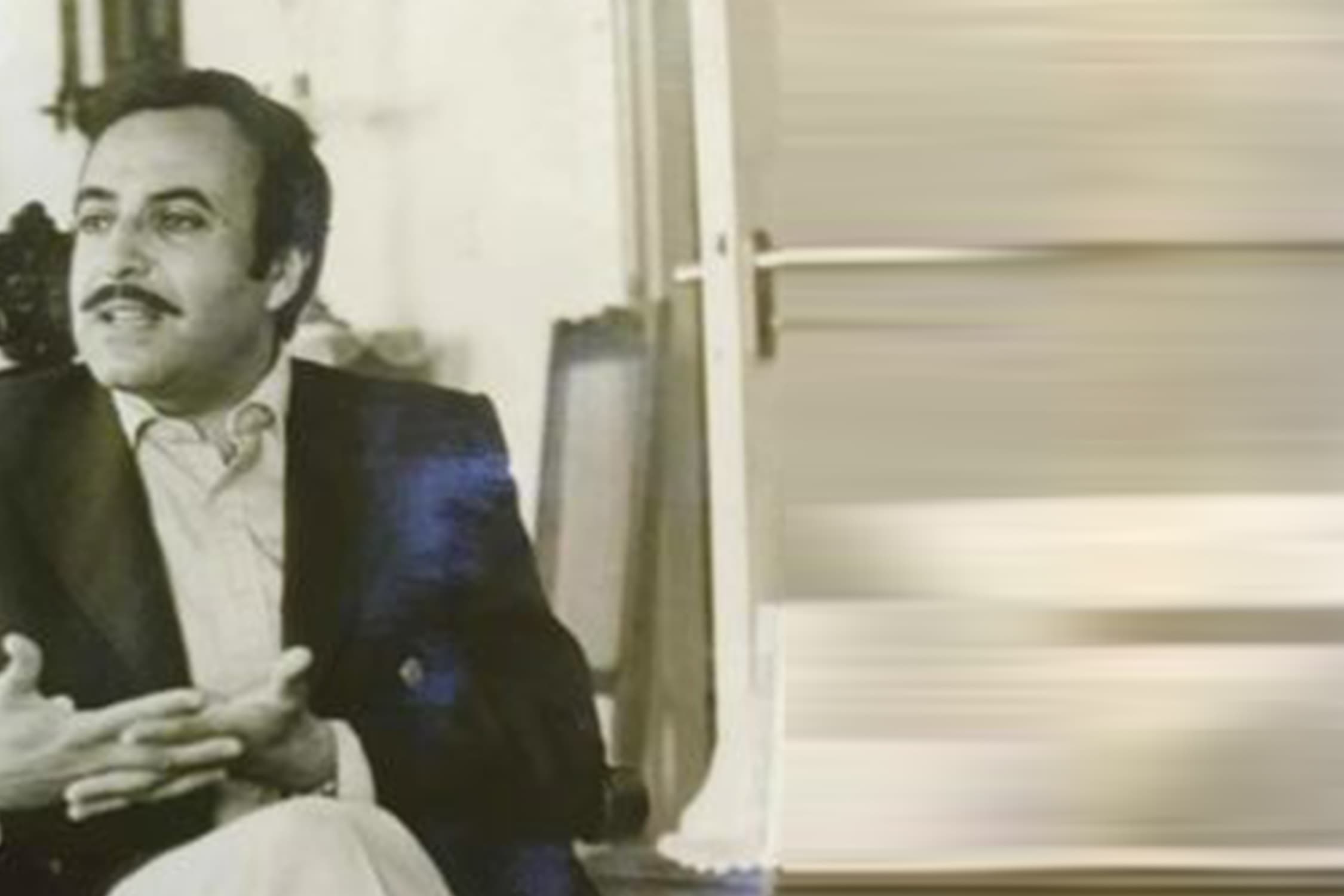
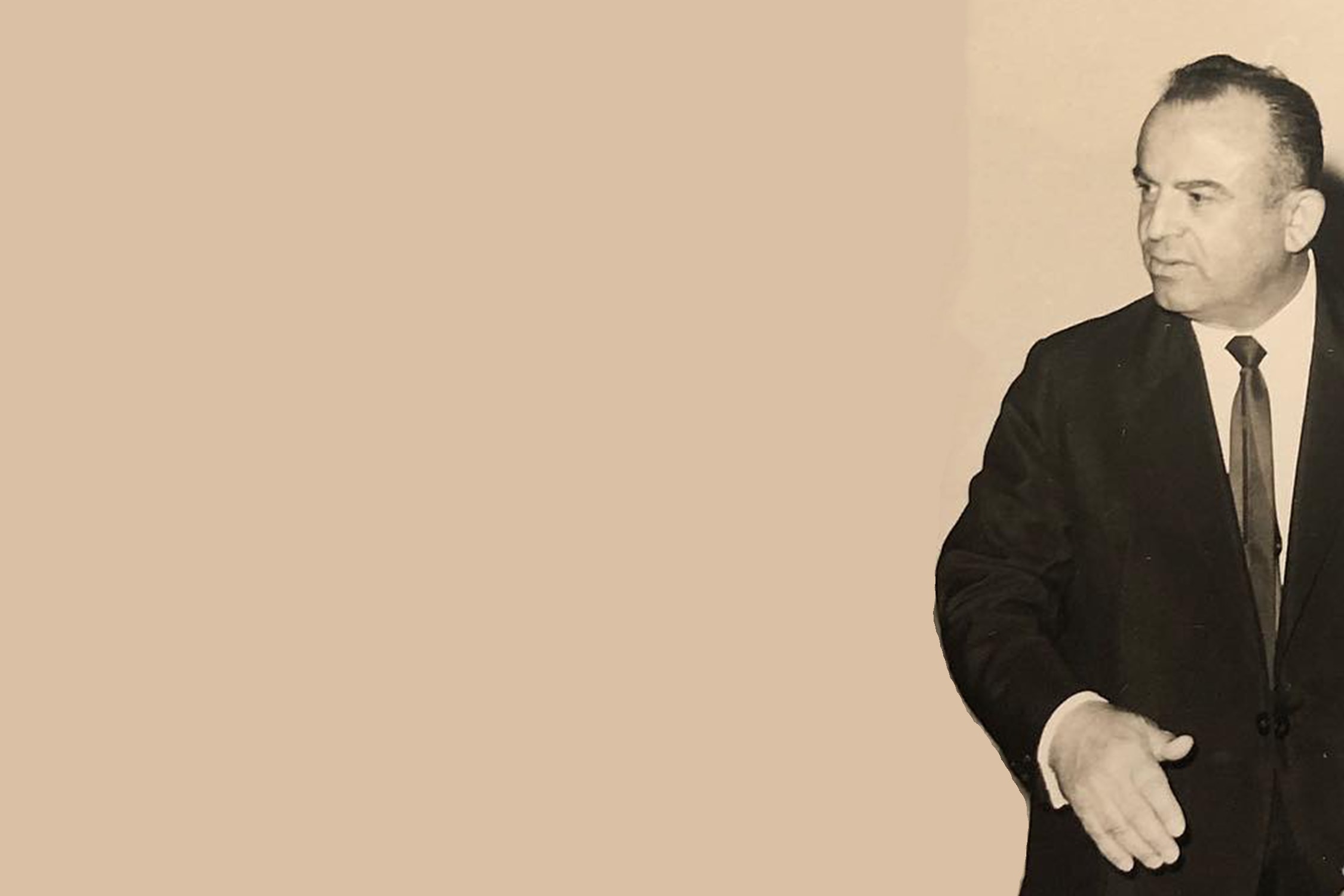
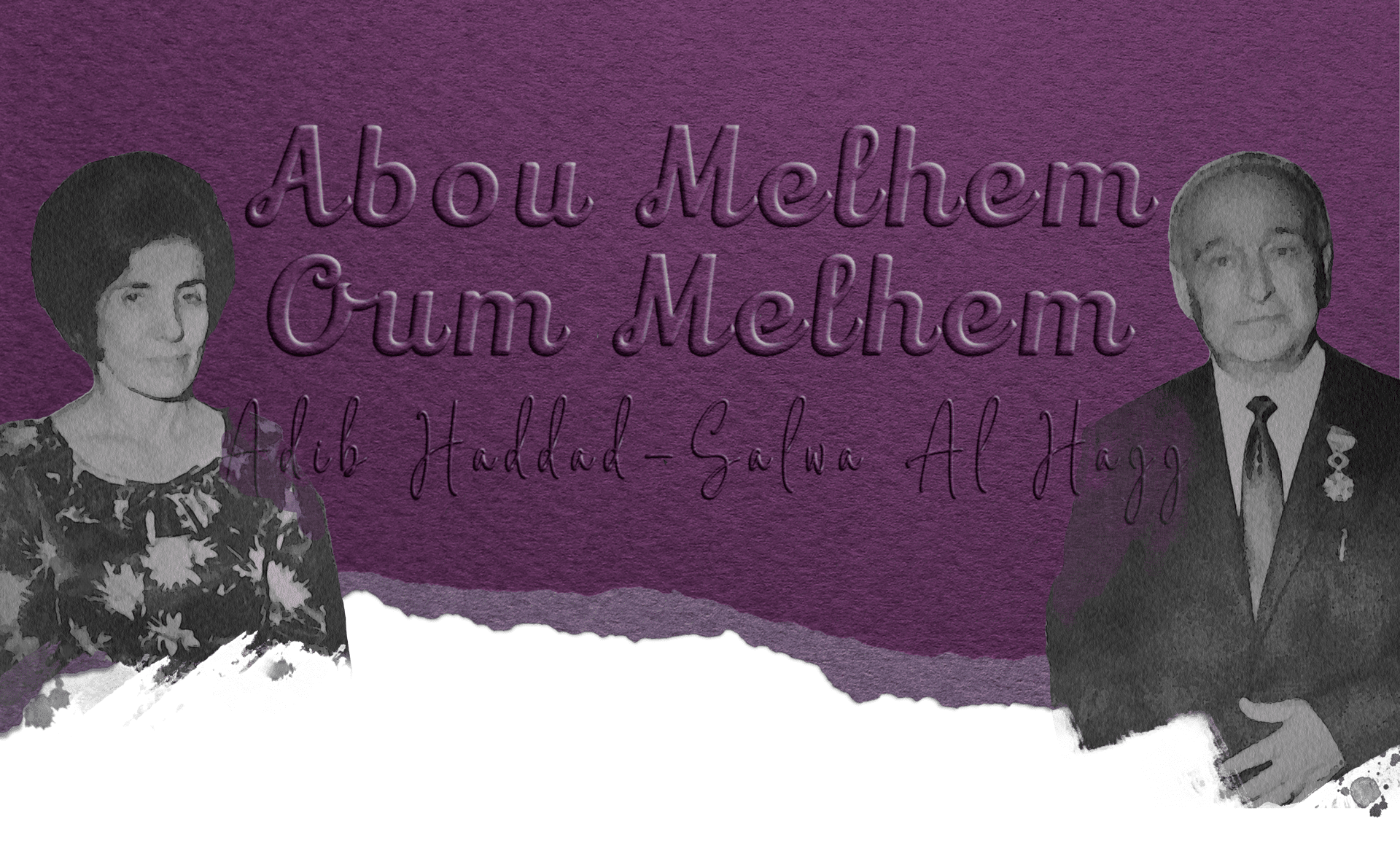
Abou Melhem • Oum Melhem

Adib Haddad-Salwa Al Hajj

advanced divider

It was one of Lebanon’s greatest love affairs, both on and off the screen. A love affair unlike any before it, and unlike any to come after.

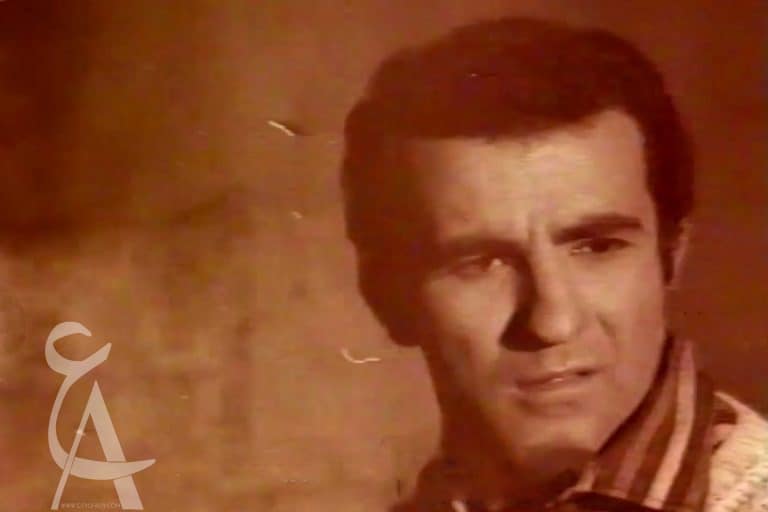
He was born Adib Ibrahim Haddad, better known by his artistic name – Abou Melhem.

She was born Salwa Fares Al-Hajj, better known by her artistic name – Oum Melhem.

Together, this husband and wife brought the nation to a standstill for almost two decades, as pioneers of Lebanese radio and television.

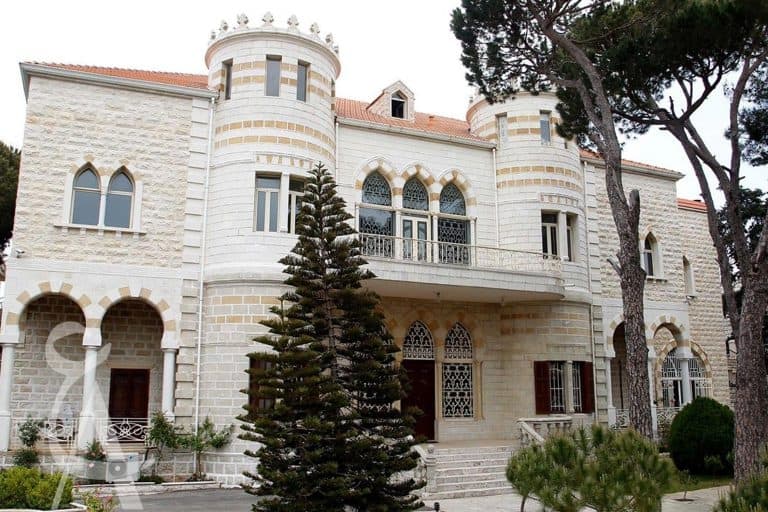
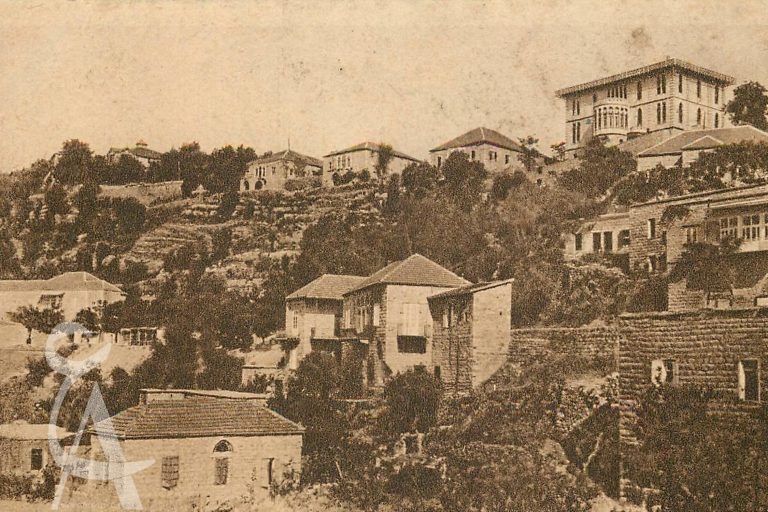
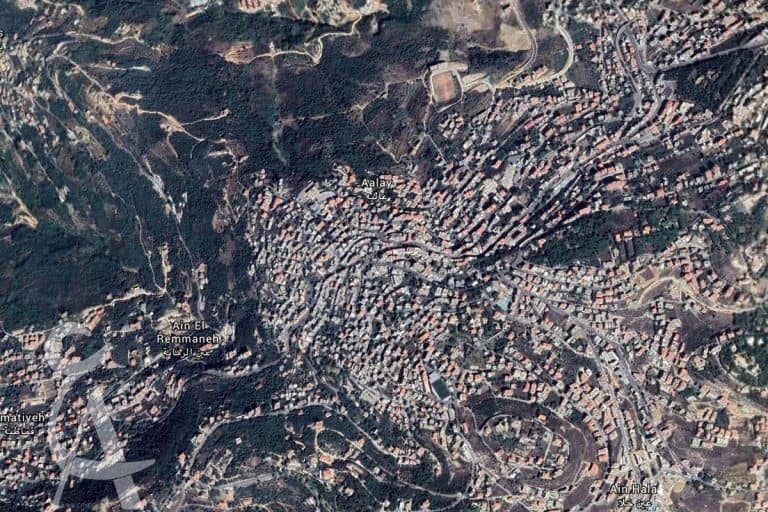
Together, this husband and wife became “icons of Aley”, their names synonymous with the village they called home.

ADIB HADDAD & SALWA AL-HAJJ - ABOU MELHEM & OUM MELHEM
Facebook
WhatsApp
Twitter
LinkedIn
Telegram
advanced divider

Adib Haddad

Adib Haddad was born in Aley in February, 1912. He studied at the National University in Aley, which became famous due to the great critic and writer Maroun Abboud.

Thereafter, he assumed a teaching position from 1932, for a period of seven years.

From 1941- 1943, he moved to Jordan to work with his two brothers, and here he began composing poetry.

During this time, Adib Haddad also participated in theatrical art, performing with his travelling troupe in local villages.

In the period 1935-1943, he starred as an amateur in skits written by “Emir al Zajal” William Saab (1912-1999). These included – “Ali Bey Al-Asaad”, “Broken Wings”, “Youssef Bey Karam” and “Omar Ibn Al-Khattab”, “Ibn Al-Fan” and “Fajr Independence”.

Between 1942-1945, Adib Haddad also composed many skits himself – “Love in the Countryside”, “The Father-in-Law and the Daughter-in-Law”, “My National Aunt” and “Laila Bint al-Jabal”.

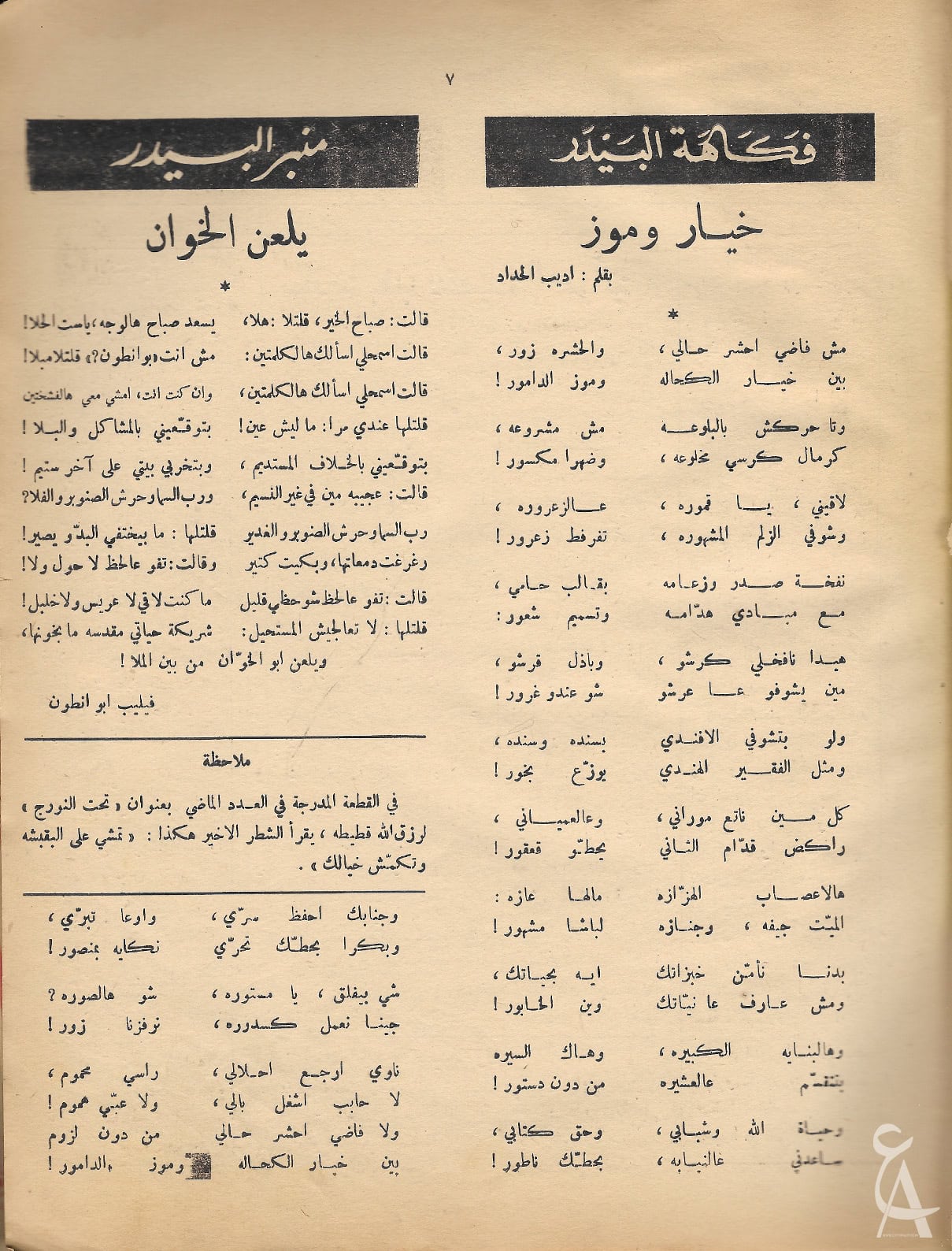
He was a frequent contributor of poetry and zajal in William Saab’s “Al-Baidar” magazine.

In the years of his youth, Adib Haddad was an activist in the Syrian Social Nationalist Party (SSNP), and published many nationalist poems and articles in its publications, but that political affiliation was not reflected in his radio and television plays, which remained within the framework of social topics.

On 5 February, 1939, he was engaged to marry Salwa Fares Al-Hajj, also from Aley. They married in 1941.

Salwa had taught at the National University in Aley and other institutes before she met Adib at the Orthodox School in Aley. He taught poetry, she taught French.

Together they had three children – Ziad, Dounia and Raghida.
POETRY OF ADIB HADDAD - "AL-BAIDAR" MAGAZINE
advanced divider

Sabah Al-Khair

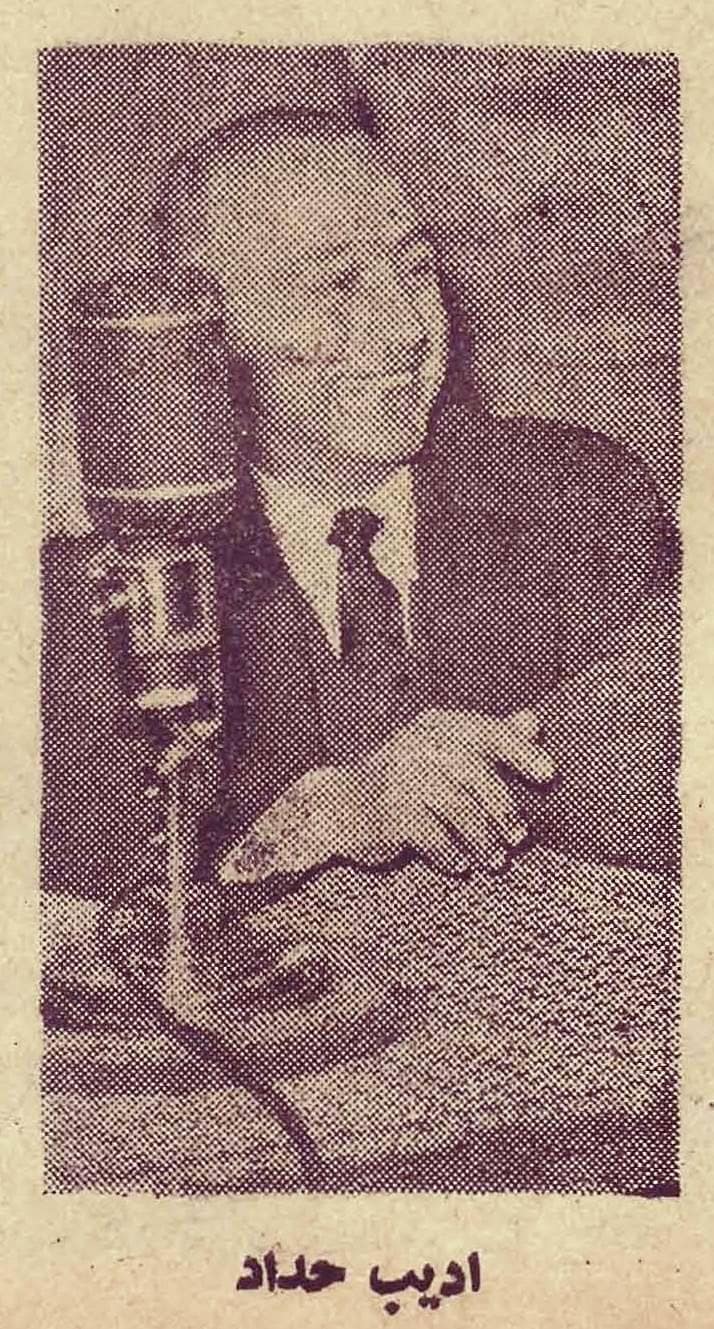
In his introduction to the book “Zajaliyat Abou Melhem”, William Saab mentioned that Adib Haddad was an employee of Shell Company in 1952 when he began producing the “Jawlat el-Microphone” (“Microphone Tours”) program on Mahattit el-Sharq al-Adna Radio (Near East Radio), and excelled in its delivery as a writer and actor. This program reached about 500 episodes.

Six years later, in 1958, Radio Liban was at the beginning of its artistic renaissance – it had many listeners, being the only such broadcaster at the time. Radio Liban decided to expand its repertoire, with polls indicating the increased popularity of morning programs. At that time, there were still no television sets in many homes, and radio attracted a large number of artists and writers.

Three new broadcasts were planned – “May God Bless Her” by George Ibrahim Al-Khoury (co-starring Nadia Hamdi); “Abou Qaddour” by Muhammad Shamil, which he performed alone with his voice; and “Sabah Al-Khair” (“Good Morning”) by Adib Haddad.

In this program, the first characters were born – Abou Melhem, played by Adib Haddad; Melhem, played by Imad Farid; and Oum Melhem, originally played by actress Laila Karam.

The “Sabah Al Khair” and “Bifrajha Allah” programs were rotated daily, and garnered the largest percentage of radio listeners.

Adib Haddad presented the “Sabah Al-Khair” program twice a week, reaching a total of 390 episodes.

ADIB HADDAD - JAWLAT AL-MICROPHONE - 1950s
advanced divider

World of Pictures

In 1959, Radio Liban asked Adib Haddad to present a critical, directive and humorous program.

He presented the “Al-Dunya Souar” (“The World is Pictures”) program. His voice was powerful, deep and reassuring. His stories were tales soaked in sweet images. He gave it a sarcastic introduction in which he said: “The world is pictures, stories, jokes and skits, and my stories are in the hundred.” The program consisted of three acting segments, linked by Adib Haddad with zajal verses as commentary. He recorded 200 episodes of this program.

advanced divider

Silver Screen

The tone was set and paved the way for Abou Melhem’s imminent arrival on the silver screen.

The radio show’s producer, Nabil Ghosn saw the potential for Abou Melhem and Oum Melhem to reach a wider audience.

He called the TeleLiban program director, Ezz El-Din Subh (of the famous Hotel and Cinema Subh family in Aley), and asked him if he would be interested to broadcast a screen version of Abou Melhem and Oum Melhem. Subh requested to see a pilot episode.

And so it was that these two legendary names entered the history books of Lebanese television, and the hearts and homes of the nation.

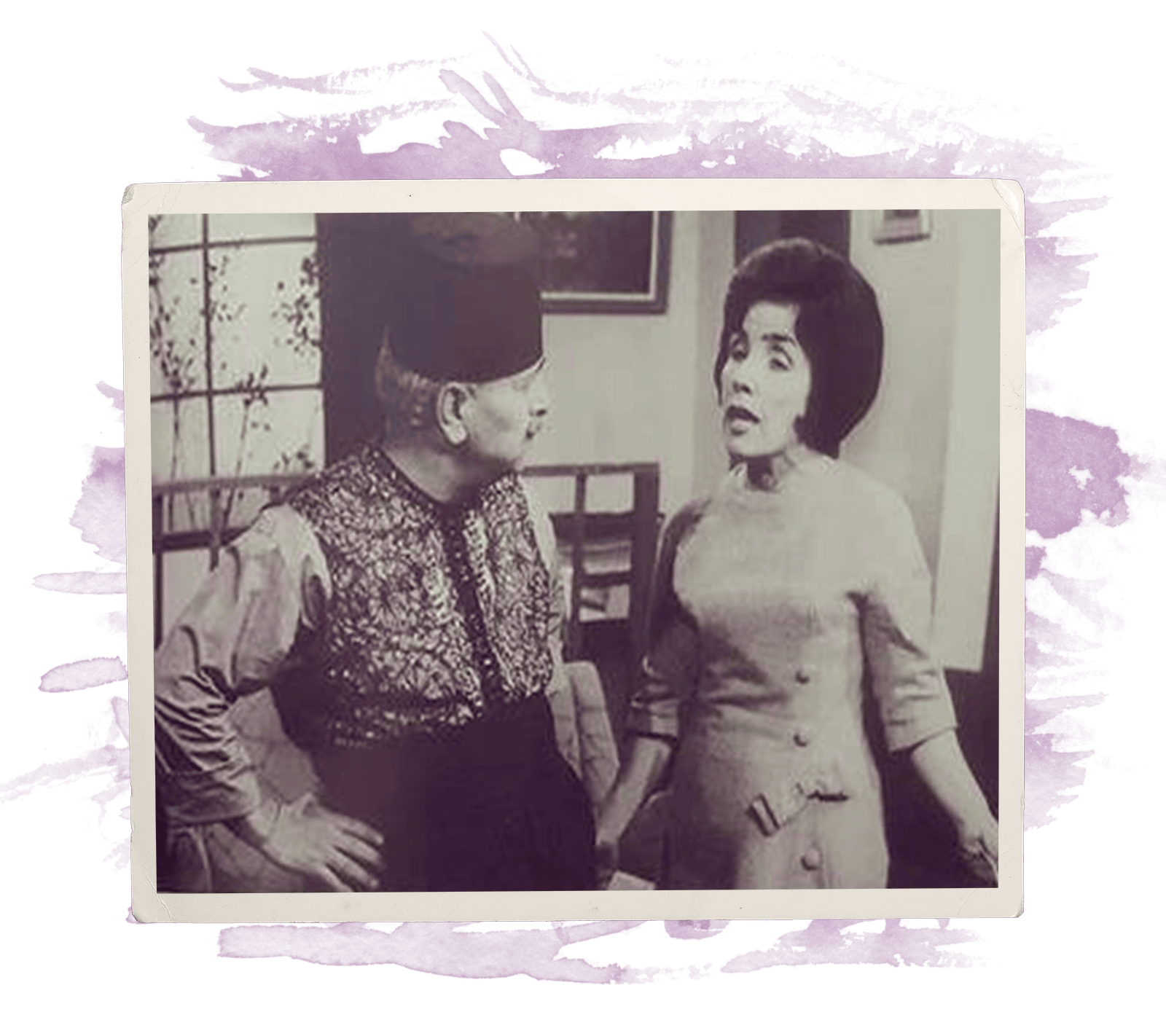
When TeleLiban was established in 1959, it contracted Adib Haddad, who donned his trademark tarbouche, moustache, harem pants, and village accent, to present a weekly program called “Abou Melhem”. It soon became a household name across Lebanon.

In 1965, the name was changed to “Yasad Masekoun” (“Good Evening”) with some 250 episodes being recorded.

In the early 1970s, Paul Tannous was appointed director of programs at TeleLiban (he later became general manager). He belonged to the intellectual elite and carried avant-garde ideas. He did not approve of the station’s two comedy shows – “Yasad Masekoun” and “Abou Salim” – considering them lowbrow. He made the decision to axe these two productions.

When news spread of his decision, there was widespread public indignation. Even the Prime Minister, Abdullah Al-Yafi voiced his dismay.

Thankfully, common sense prevailed – these two programs attracted lucrative advertising deals for the TV station, and they were soon re-instated.

PRIME MINISTER ABDULLAH AL-YAFI AWARDS ADIB HADDAD - 1966
advanced divider

Happy Ever After

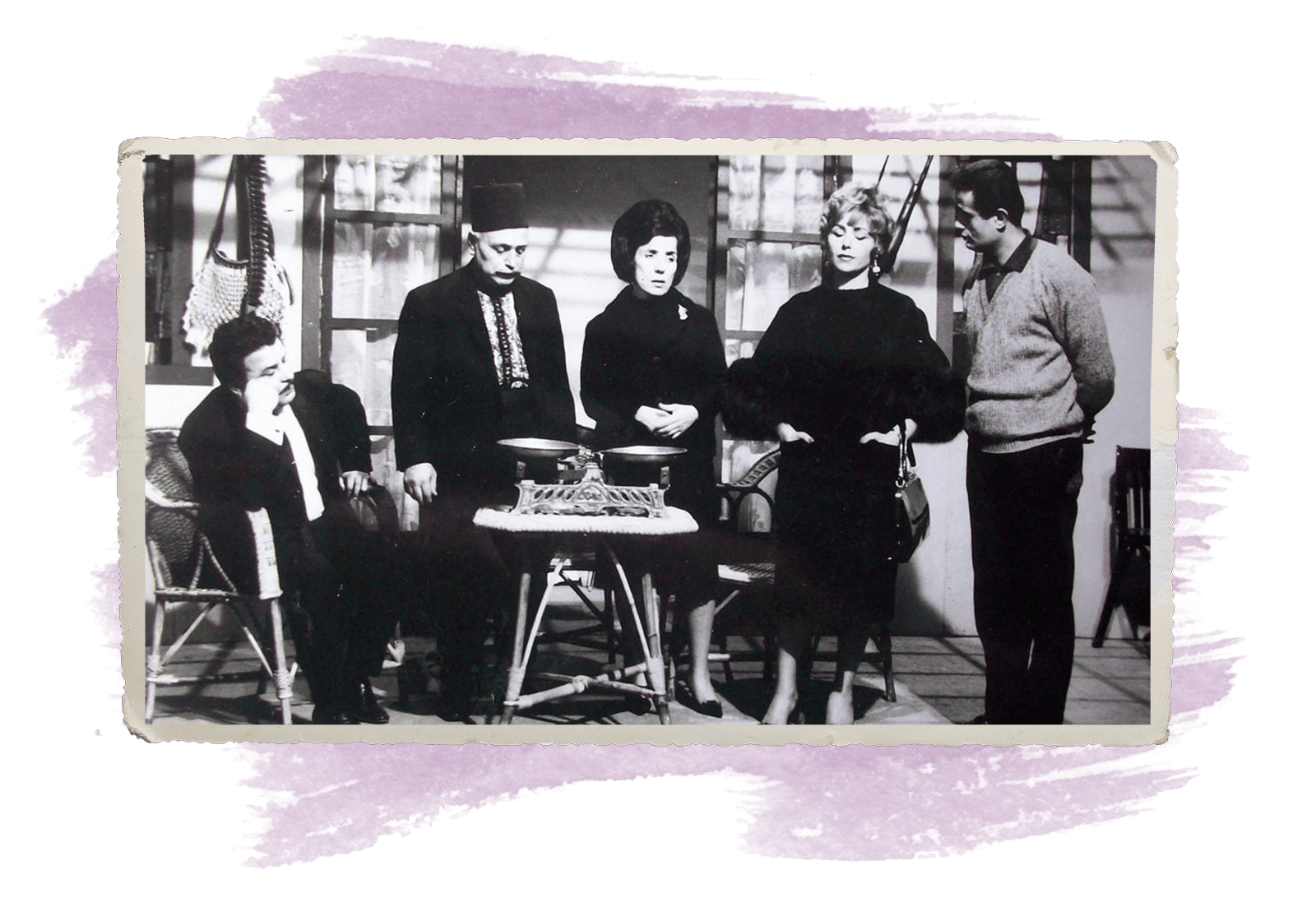
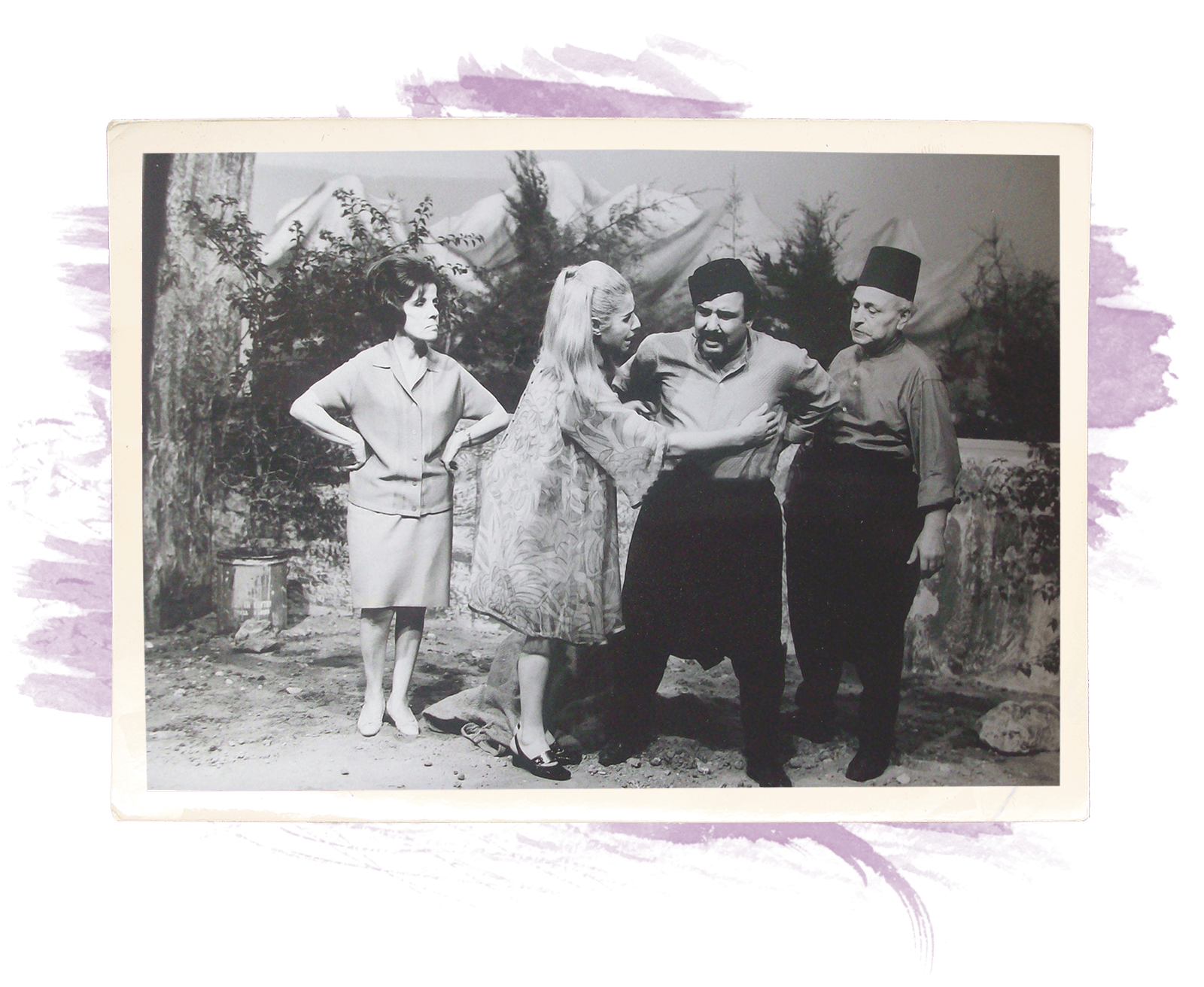
Every episode was written by Adib Haddad, and he was joined on screen by his wife (in life) Salwa Al-Hajj, Lamia Feghali, Elie Sanifer, Laila Hakim and Samir Fawzi “Darwiche”.

Many other famous actors of the time were invited to join in various episodes.

The series quickly grew in fame … As soon as the musical introduction began, viewers from one end of Lebanon to the other would rush to sit in front of the small screen so as not to miss the joy of watching, and the pleasure of the lesson that the program was presenting.

It was the early days of television in Lebanon, and many homes did not yet have a television set, but this did not prevent viewers, especially villagers and rural people, and those who moved to Beirut, from knocking on the door of any neighbour who owned a television set, and watching the show together in a weekly ritual.

Unknowingly, the Abou Melhem program was encouraging community togetherness, in a way that is unfamiliar today.

The viewers were glued to the small screen, enjoying the story and unfolding of events, until the “happily ever after” ending, where everyone was reassured that love prevailed and, in case of strife, Abou Melhem and Oum Melhem would be just around the corner to restore peace and harmony.

These were the glorious days of the Golden Age …

ABOU MELHEM & OUM MELHEM
advanced divider

Romance & Realism

The program romantically and realistically depicted village life and people’s relationships with each other.

Samir Fawzi (Darwiche) represented the kind, naive villager; Lamia Feghlai (Fabiola), the condescending, arrogant, woman; and Alia Nimri, the good, helpless mother. As for Elie Sanifer, who was one of the central characters in the story, he played the role of the stray boy who wreaked havoc on the village, then returned every time and repented at the hands of Abou Melhem and Oum Melhem. Goodness always triumphed in the end, and this is the way the audience liked it – a happy ending was compulsory.

When Adib Haddad was writing his scripts and scenarios, he would draw from his surroundings in Aley, its vicinity, any village. He did not approach the life of cities with their political, social and economic turmoil, conflicts and contradictions. His stories were simple, based on traditional village life.

At the same time, Adib Haddad presented “The Soldier” program from time to time, based on a contract with the Lebanese Army.

THE CAST OF "YASED MASEKOUN"
advanced divider

"Agreement"

According to an opinion poll conducted in 1968, the “Yasad Masekoun” program came in first place and was liked by 52 per cent of viewers. Adib Haddad as Abou Melhem won the title of “Best TV Personality”.

Given his unique idealism, the TV character Abou Melhem almost turned into a saint. He was never wrong, he was the one with valuable advice, striking wisdom and eloquent preaching. He was the solver of problems, the helper of the poor, the comforter of the unfortunate, the cheerleader of the masses, and the one who brought good humour and laughter to the table.

He spoke the language of the people of the mountain (replete with the pronunciation of the “qaf”), rich in popular images and infused with verses of zajal, metaphors from famous proverbs and life lessons. Thus, the character of Abou Melhem became entrenched in the popular conscience as an advocate of good morals.

It is remembered fondly as a time when good always triumphed over evil. When a problem arose at home or in the community, people would often ask, “What would Abou Melhem say?”, “What would Oum Melhem say?” – they had become part of the daily Lebanese vocabulary. The name “Abou Melhem” became synonymous with “agreement”.

It is a reminder of a bygone era, replaced today by “Ask Google”.

THE CAST OF "YESAD MASEKOUN"
advanced divider

Master of Poetry

Adib Haddad was much more than an actor.

He was a writer, social critic, and highly skilled in zajal poetry.

Poetry was an opportunity to exercise his critical sense of humour and his exceptional literary talent.

Said William Saab:

“The first piece of poetry organised by Adib Haddad was published in our magazine “Bulbul Al-Arz”, issued on Monday, 17 June, 1935, and it was titled “The Rotation of the Earth” and it was humorous.

He adds: “In 1938, Adib Haddad’s poetic talent began to crystallise in words, expressions, lines, verses, group and unity. The beginning of this new era of humour was “Frouj Dahrouj”, which we published in “Bulbul Al-Arz” on 17 January, 1938.”

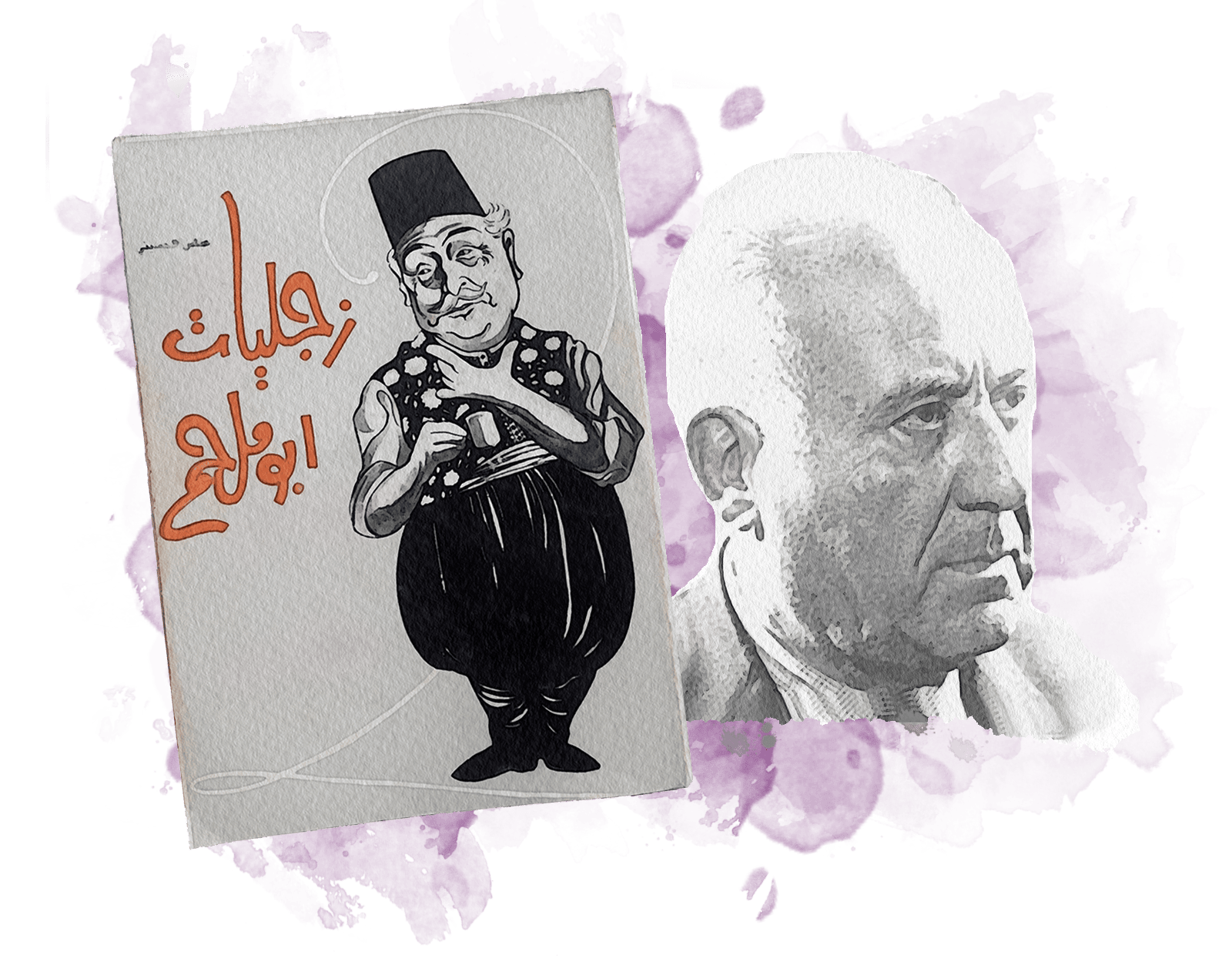
In his introduction to “Zajaliyat Abou Melhem”, William Saab mentions:

“Among the proofs of his superiority in systems other than comic poetry is that he won the many matches he played, including: “The Lebanon Summer Description Match”, whose topic was proposed by the Zajal Emirate Association, in which dozens participated. Of the poets, the first winner was Adib Haddad. The poems of the contestants were recited in front of a committee of the great writers and poets of Lebanon, in a huge festival held in “Great Teatro” Hall on Sunday morning, 22 October, 1944.”

ZAJALIYAT ABOU MELHEM - INTRODUCTION BY "EMIR AL ZAJAL" WILLIAM SAAB
advanced divider

Literary Awards

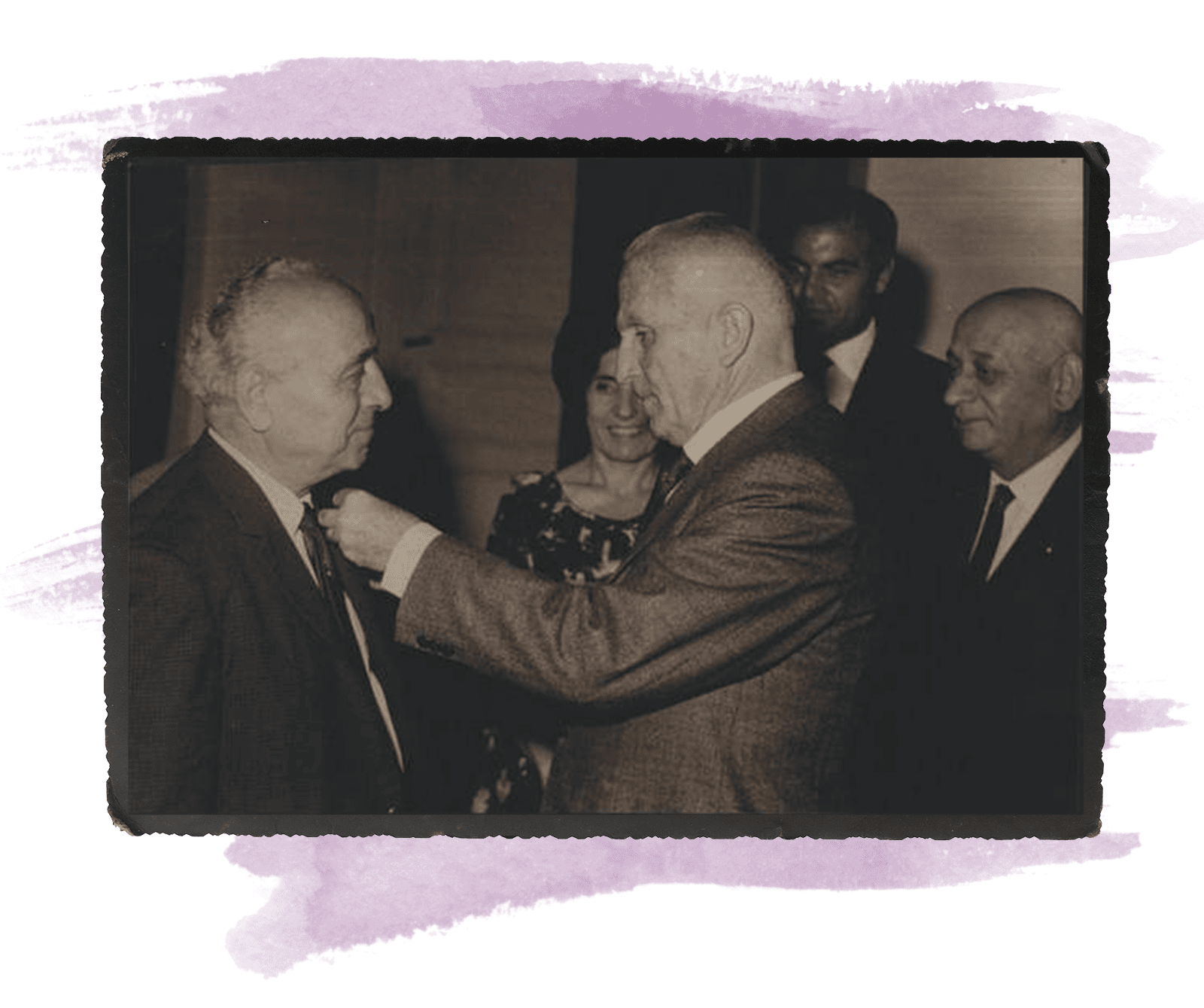
On 20 June, 1966, Decree No. 82 of the Presidency of the Lebanese Republic was issued granting Adib Haddad the National Order of the Cedar, Knight.

“A literary artist whose novels and plays were distinguished by addressing social and moral problems with wisdom and prudence, and he did so through art and public services, in the field of  social, moral and disciplinary education.”

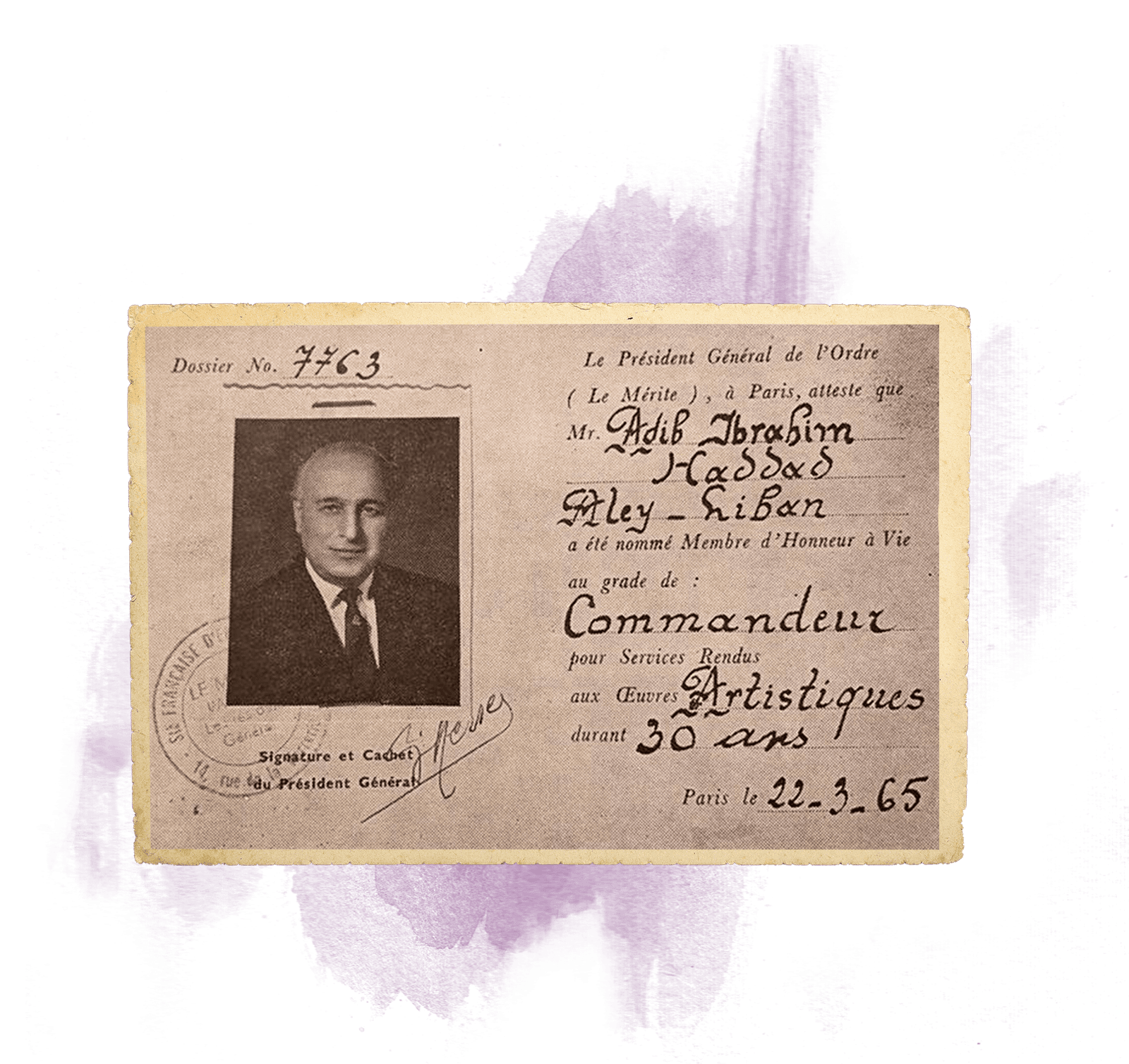
In 1965 he was awarded the French Papal Order of Art from Paris. He was elected twice as the captain of the Lebanese Artists, won the award for the best television program, won the first prize in a poetry match, and won the first prize in a poetry contest about beauty. On 11 January, 1987, in the 40th day ceremony following his death, the Lebanese state awarded him the Medal of the Doctrine of Knowledge.

ADIB HADDAD IS AWARDED THE FRENCH PAPAL ORDER OF ART - 1965
advanced divider

End of an Era

Adib Haddad continued to present this program until 1984, when partial paralysis forced him to retire. He continued to write poetry, despite the difficulty of doing so.

In addition to the suffering caused by the civil war in Lebanon, Adib Haddad received an extremely painful shock when his home in Aley was robbed, burned and destroyed.

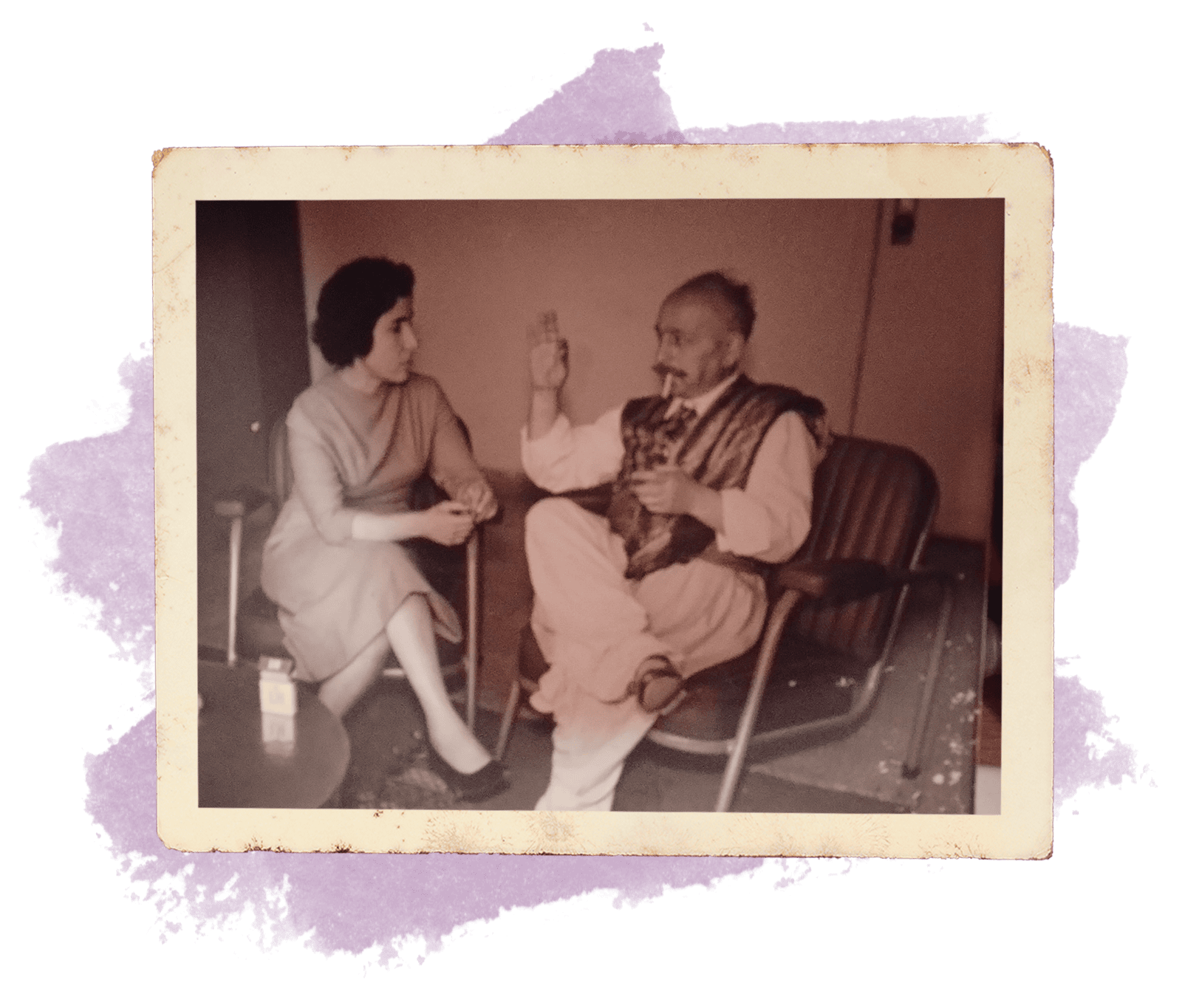
In spite of his celebrity, Adib Haddad remained humble, modest and down-to-earth. He sang a-cappella every Sunday at Orthodox mass in Aley. In the mornings, he sat on his balcony with his soul mate Salwa Al-Hajj, enjoying their quintessential cup of coffee, waving to passers-by who loved to catch a glimpse of this famous duo.

He passed away on 1 December, 1986.

advanced divider

Salwa Al-Hajj

Oum Melhem’s partnership with Abou Melhem did not stem from a television episode or a radio episode, but rather from life itself.

As we mentioned previously, Salwa Al-Hajj was not the first Oum Melhem.

Laila Karam was the first Oum Melhem, but retired from the radio role in its early days.

The program director at the time, Nabil Ghosn, interviewed many potential replacements for the part – but none was successful in capturing the rural or “mountain” dialect which was an essential component of the role.

Adib Haddad suggested that they “experiment” with his wife, Salwa Al-Hajj. She had no prior acting experience, but her accent was exactly the same as her husband’s.

Nabil Ghosn agreed, and trained her for several days on how to act, perform, speak and stand in front of the microphone.

With time, Salwa Al-Hajj’s acting skills improved and she soon succeeded to play the role of Oum Melhem, alongside her husband, to complete the famous duo who would become known as Abou Melhem and Oum Melhem.

At the time, no one expected that Salwa Al Hajj would play the part of Oum Melhem with such ability, so much so it seemed she was created to play this role.

She was the simple and kind village woman, at the same time intelligent, concerned for the reputation of the village and those in it, and for its authenticity, values and morals.

Salwa Al-Hajj’s acting ability was demonstrated, bringing her unprecedented fame and stardom.

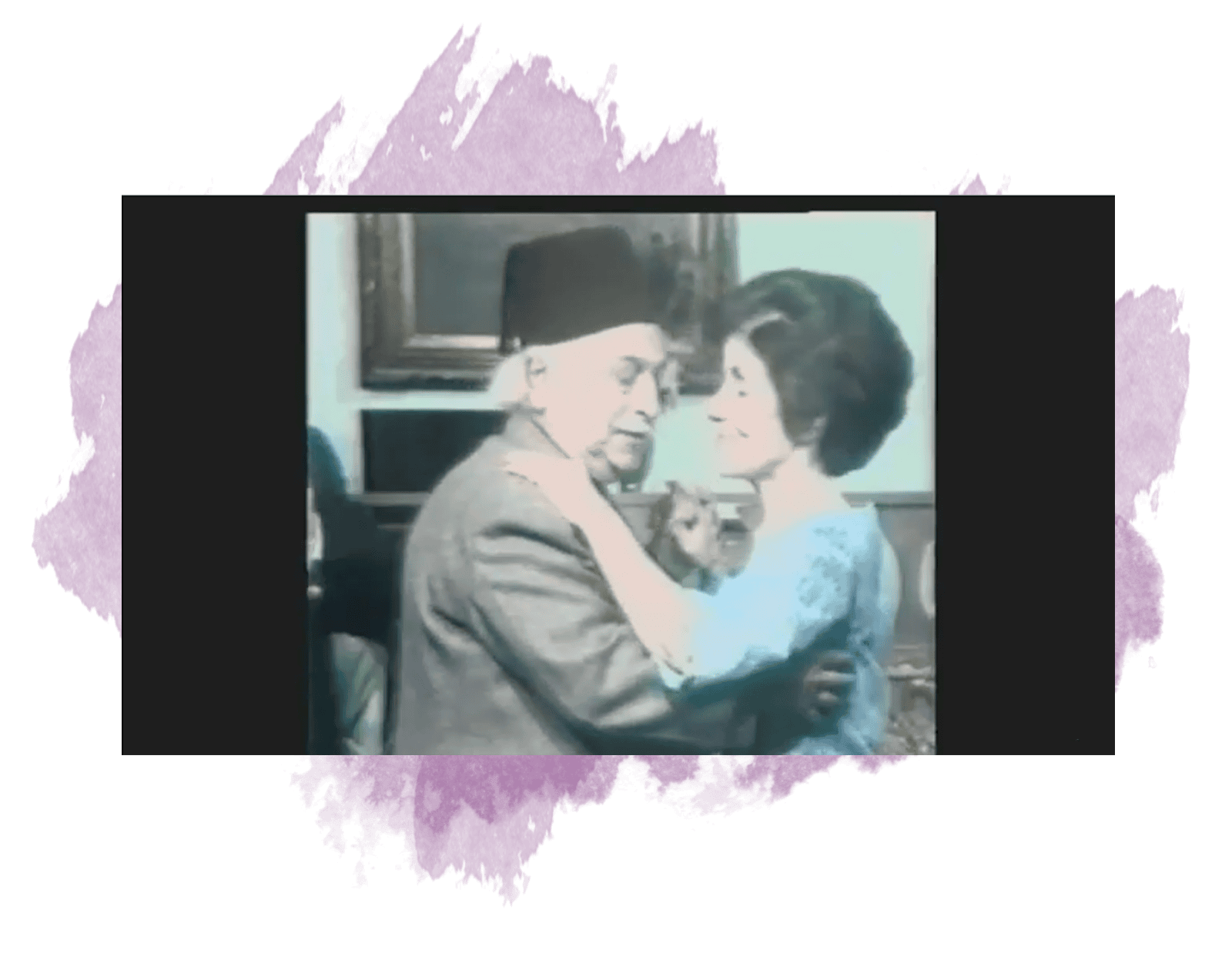
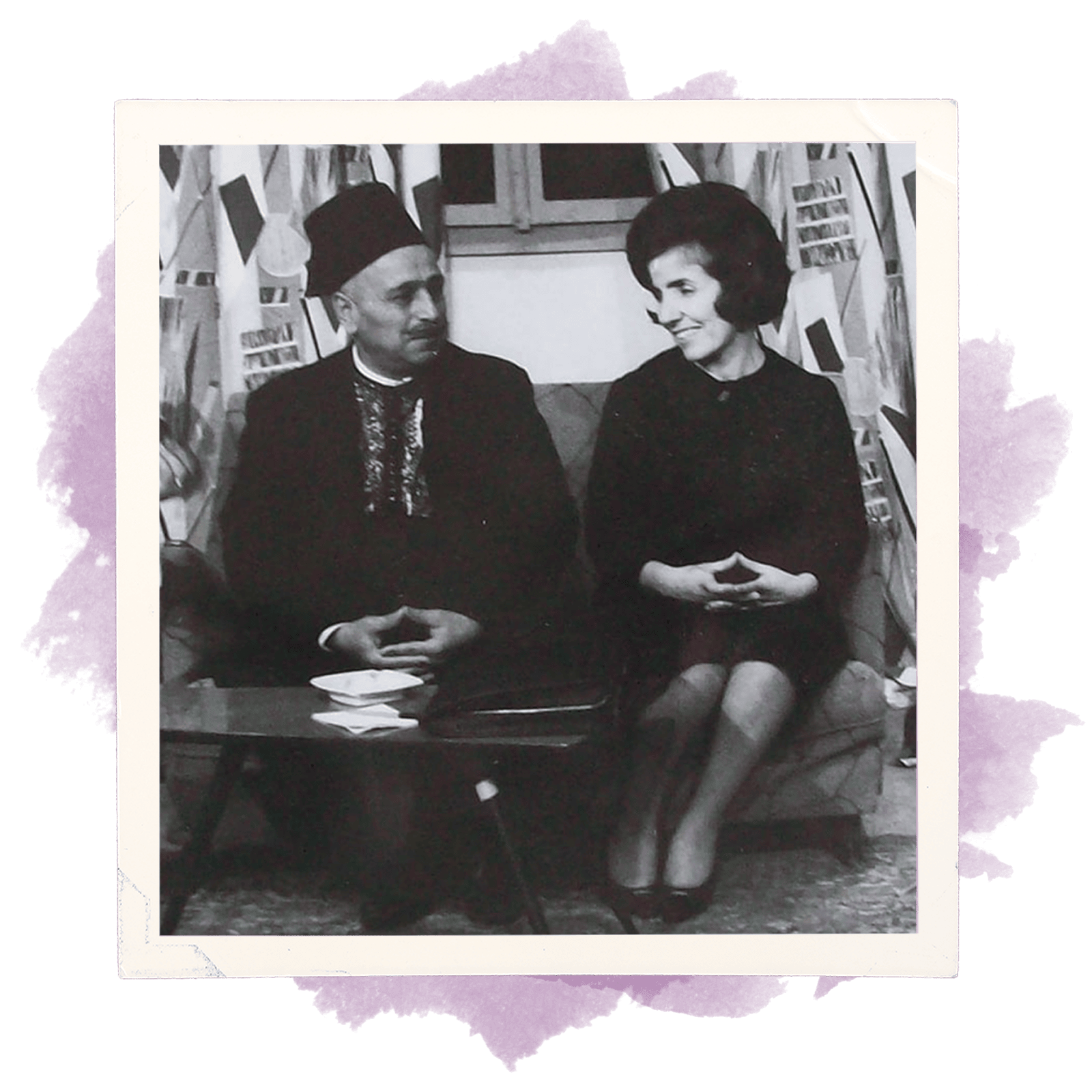
SALWA Al-HAJJ & ADIB HADDAD - LEBANON'S MOST FAMOUS ACTING DUO
advanced divider

Black & White

In contrast to Abou Melhem’s village attire, Oum Melhem was cultured and elegant, with her trademark suit and handbag, her hair impeccably groomed.

And in contrast to Abou Melhem’s calm settlements and solutions, Oum Melhem was the feisty campaigner.

These contrasts provided an ideal balance of energies and entertainment, seducing audiences for almost two decades.

Oum Melhem would prepare a tray of coffee according to the custom of the village women, at the same time she would unleash her tongue in condemning this trend.

For her, things were of two colours – black and white. Finding a solution under these circumstances was impossible.

She was always biased towards one party, and it was obvious that her bias was directed towards the party that she saw as having been subjected to injustice.

A situation of this kind opens up a problem, not a solution. Abou Melhem did not agree with her, but did not rebuke her. The solution depended on taking a deep breath and clarifying the facts, in preparation for bringing the accused offender (Elie Sanifer) back to the right path.


ADIB HADDAD & SALWA AL-HAJJ
advanced divider

Cinematic Star

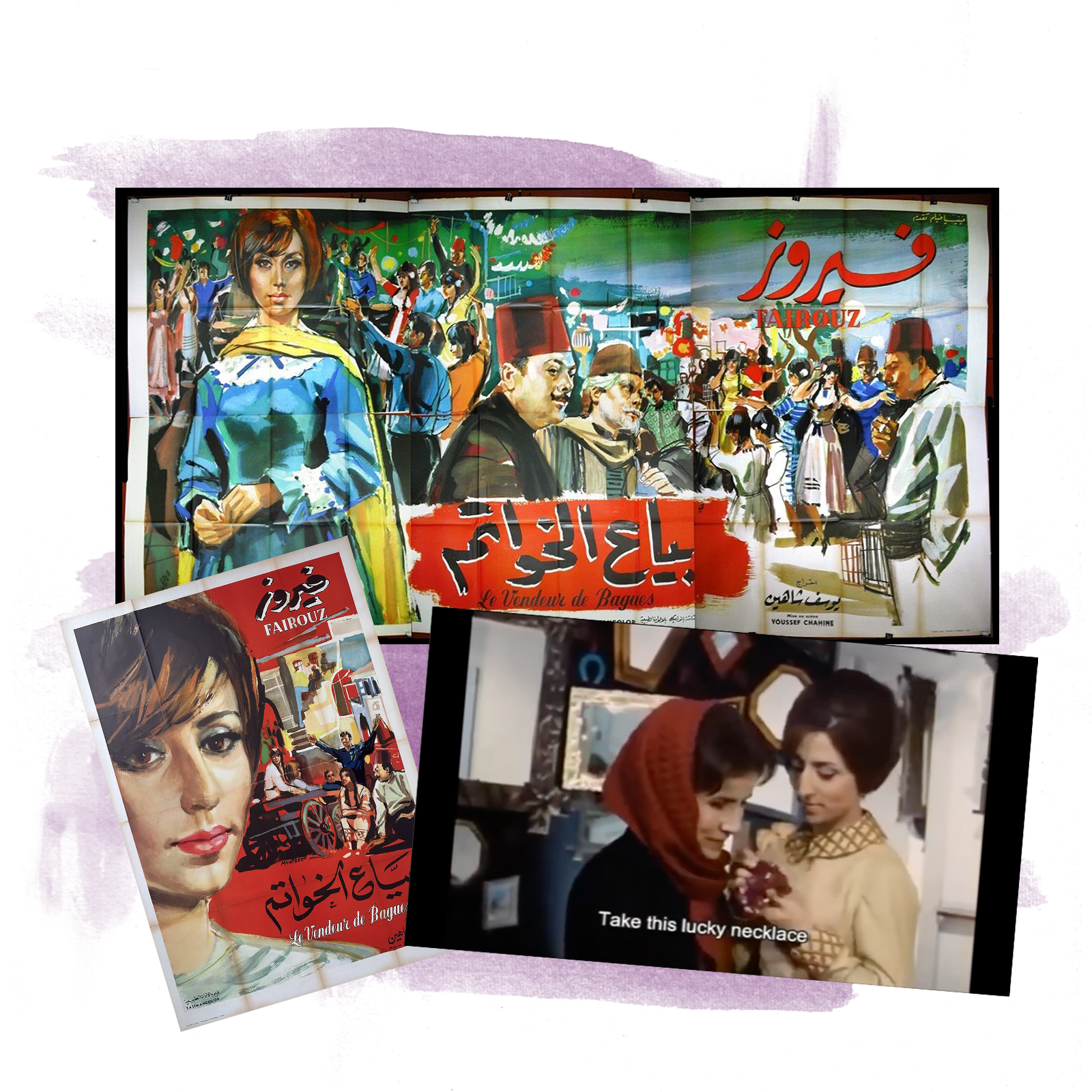
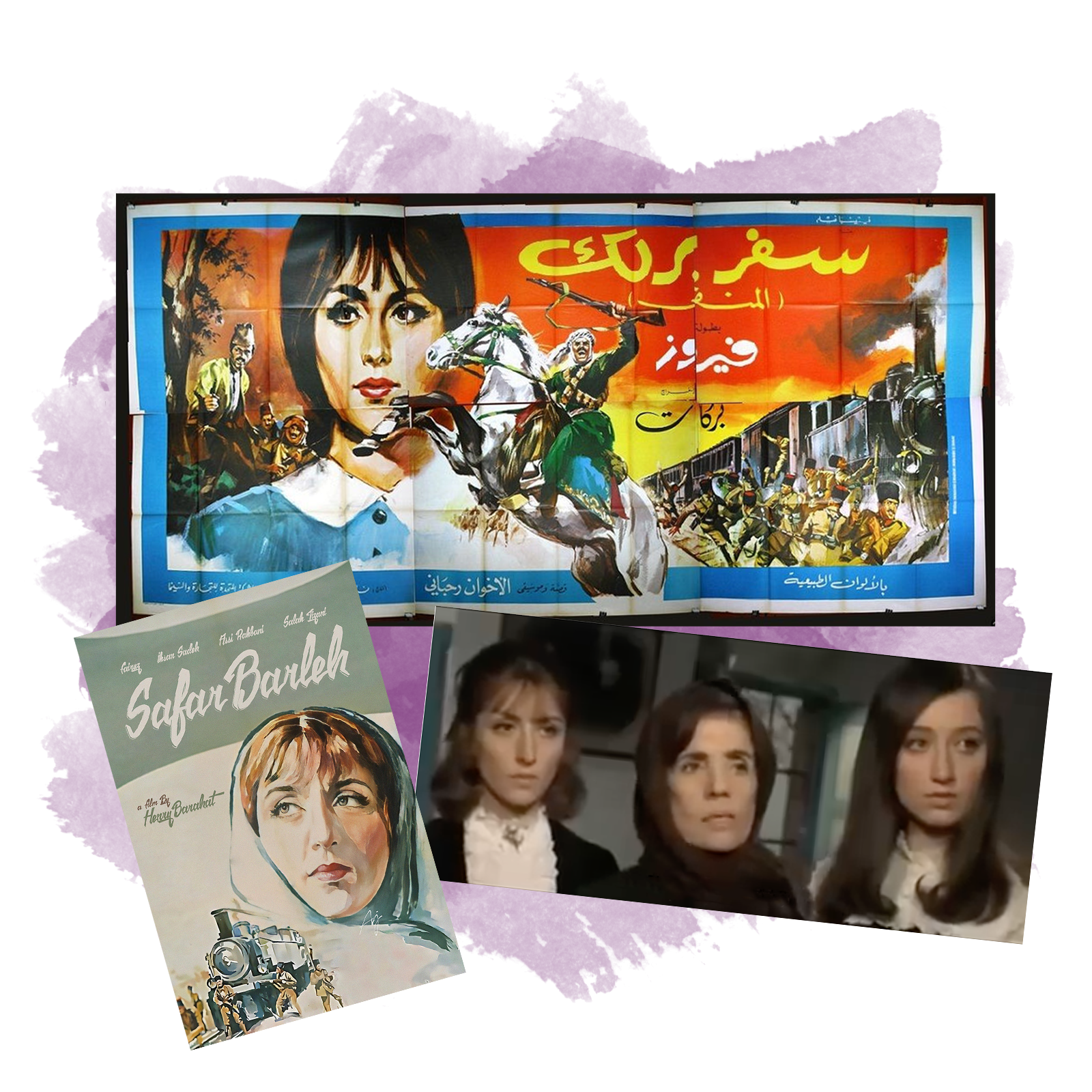
Salwa Al-Hajj was an accomplished actress, also appearing in films directed by the Rahbani brothers, Youssef Chahine and Henri Barakat. She acted alongside Fayrouz in The Ring Seller (1965) and Safar Barlik (1966).

Salwa Al-Hajj ceased all activity after the death of her husband and soul mate in 1986.

Salwa Al-Hajj passed away on 11 November, 2002 after a cardiac arrest, at the age of 87.

Her funeral was held in the St George Greek Orthodox Church in Aley.


SALWA AL-HAJJ AS ZBEYDI THE FORTUNE-TELLER IN "THE RING SELLER" - 1965
SALWA AL-HAJJ AS OUM YOUSSEF in "SAFAR BARLEK" - 1966
advanced divider

Stamped

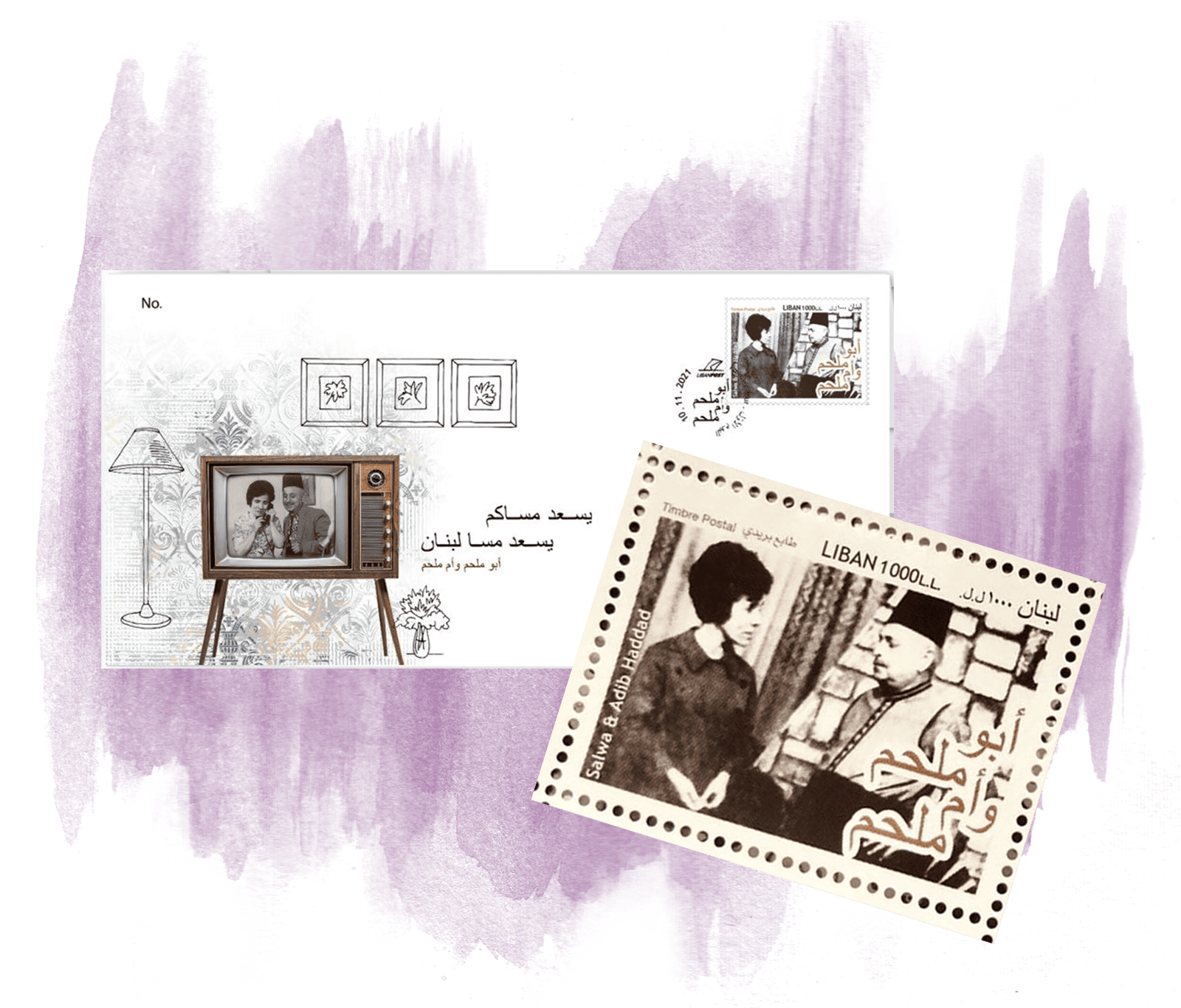
On 10 November, 2021 Adib Haddad and Salwa Al-Hajj were honored by LibanPost, with the issuing of a postage stamp bearing the images of Abou Melhem and Oum Melhem.

They were the first (and only) Aley residents to receive such an honor, and the first (and only) husband and wife.

ABOU MELHEM & OUM MELHEM - LIBANPOST - 10 NOVEMBER, 2021
advanced divider
Picture of Heather Jean Stefan

Heather Jean Stefan

Founder • Editor • Archivist

Facebook
WhatsApp
Twitter
LinkedIn
Telegram
advanced divider
City of Aley

More History & Heritage

advanced divider
City of Aley

Discover Aley

advanced divider
City of Aley

Business Directory

advanced divider
City of Aley

Events

advanced divider
en_GBEnglish (UK)